
The Meatpacking District in NYC packs more into a few city blocks than most neighbourhoods manage in a square mile. Wedged between Chelsea and the West Village, this former industrial quarter has reinvented itself into one of Manhattan’s most exciting places to spend a day. From the elevated green corridor of the High Line to the world-class Whitney Museum, the cobblestone streets here reward every kind of visitor — whether you have two hours or a full afternoon to spare.
This guide covers everything you need to know about visiting the Meatpacking District in 2026: what to see, where to eat, how to get there, and how to make the most of your time.
Why the Meatpacking District Deserves Your Attention
Until the 1990s, this neighbourhood was exactly what its name suggests — a working district of slaughterhouses and meat-packing plants. Today, the cobblestones that once ran with something rather less pleasant now carry the foot traffic of visitors from all over the world. The transformation has been dramatic, and the energy here reflects it.
The Meatpacking District sits at the southern end of the High Line, borders Chelsea to the north, and nudges up against the West Village to the east. Its position makes it an ideal anchor point for a day that could take you through three of Manhattan’s most rewarding areas.
The neighbourhood also holds a particular significance in New York’s LGBTQ+ history. Bars and clubs here became gathering places during the 1980s and 1990s, and the area remains a welcoming, vibrant corner of the city today.
The High Line: New York’s Greatest Free Attraction
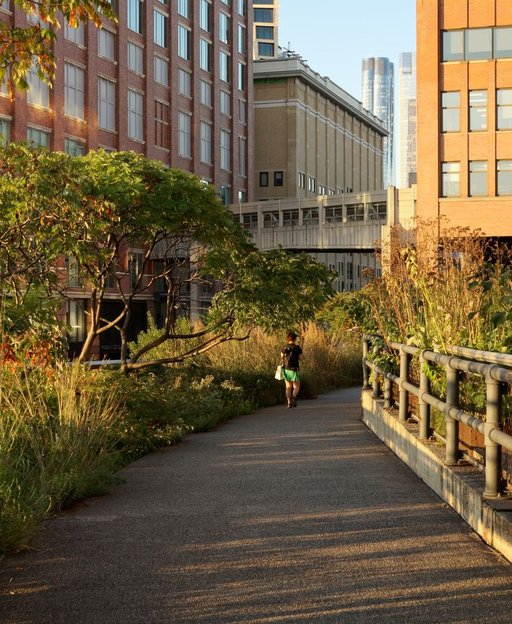
If you do one thing in the Meatpacking District, walk the High Line. This elevated park runs along a disused freight railway track, stretching from Gansevoort Street — right in the heart of the neighbourhood — all the way up to 34th Street in Hudson Yards. The full walk covers 2.3 kilometres and takes about 45 minutes at a gentle pace.
Entry is free, and the park is open every day of the year. It is one of New York’s most remarkable achievements — a former industrial relic turned into a green ribbon above the city streets, with carefully planted gardens, outdoor art installations, seating areas, and extraordinary views over the Hudson River and the Manhattan skyline.
Start at the Gansevoort Street entrance to walk north, or enter at 14th Street for a shorter stroll. The southernmost section tends to feel quieter, with some of the most thoughtful planting. By the time you reach the Sundeck around 14th Street, you will understand why New Yorkers feel so protective of this place.
The High Line features rotating public art commissions throughout the year. Expect to encounter large-scale sculpture, photography installations, and occasional live performances. Check the High Line official website before you visit for current programming.
As one of New York’s best free experiences, the High Line simply cannot be missed. It is also stroller-friendly and fully accessible, with lifts at multiple entry points.
When Is the Best Time to Walk the High Line?
Visit early in the morning — before 9am — if you want the path largely to yourself. The middle of the day, particularly in summer, draws large crowds. Late afternoon light in autumn and spring makes for spectacular views and photographs. The High Line stays open until 10pm in summer, making an evening stroll a genuinely magical experience.
The Whitney Museum of American Art
The Whitney Museum anchors the southern end of the High Line and stands as one of the finest art museums in the United States. Its focus is American art from the twentieth century to the present day — and it approaches that subject with real ambition and range.
The building itself, designed by Renzo Piano and completed in 2015, is worth visiting for the architecture alone. Eight floors of gallery space wrap around outdoor terraces that offer extraordinary views of the Hudson River and the High Line. The museum’s permanent collection contains more than 25,000 works, though only a fraction are on display at any given time.
Admission costs 0 for adults, with reduced rates for students and seniors. Children under 18 enter free. Buy tickets in advance online to avoid queues, particularly at weekends. Friday evenings from 7pm to 10pm offer pay-what-you-wish entry — one of Manhattan’s genuine cultural bargains.
The Whitney is rightly counted among the best museums in New York City. Spend at least two hours here if you want to do it justice — more if there is a major exhibition running.
What to See at the Whitney
The permanent collection always includes work by Edward Hopper, Jasper Johns, Georgia O’Keeffe, and Jean-Michel Basquiat. The Whitney Biennial — held in even-numbered years — is the most talked-about survey of contemporary American art in the world. Check the museum’s official website for current exhibitions before your visit.
Chelsea Market: Food Hall, History and Neighbourhood Character
Walk two minutes from the southern High Line entrance and you reach Chelsea Market, one of Manhattan’s most atmospheric food halls. The building occupies an entire block between 15th and 16th Streets, and its history gives it a particular character. The National Biscuit Company — better known as Nabisco, makers of the Oreo — built the complex in 1898. Industrial bones remain throughout: exposed pipes, worn brickwork, and an underground stream that flows through a section of the ground floor.
Today the market houses dozens of independent food vendors, shops, and restaurants. For visitors, it functions beautifully as a place to eat, browse, and absorb a distinctly New York kind of energy. Pick up a lobster roll from The Lobster Place, grab a coffee from one of several good cafés, or sit down for tacos from Los Mariscos. The quality across vendors is consistently high.
Chelsea Market also houses the Food Network studios and various tech company offices on upper floors, adding to its hybrid, only-in-New York personality. This connects naturally to the broader neighbourhood covered in our complete Chelsea guide, which covers what lies north of the market.
Tips for Visiting Chelsea Market
Arrive before noon to avoid the lunchtime rush. The market opens at 7am on weekdays and 8am at weekends. Vendors close at varying times in the evening, but most stay open until 9pm or 10pm. There is no admission charge — just walk in. Seating fills quickly during peak hours, so arriving early or late is the smarter move.
Shopping in the Meatpacking District
The Meatpacking District built its modern reputation partly on its boutiques. The neighbourhood established itself as a destination for fashion in the early 2000s, attracting designers and concept stores to streets that still carry the faint memory of their industrial past.
Gansevoort Street and Little West 12th Street remain the commercial heart of the area. You will find flagship stores from major American and international brands alongside smaller, independent retailers. Apple has a striking glass-and-steel flagship store on Ninth Avenue that rewards a look even if you are not buying anything.
Weekend afternoons draw the biggest shopping crowds. If retail is your main reason for visiting, a weekday morning will feel far more pleasant — the neighbourhood has a different, calmer energy before the foot traffic builds.
Where to Eat in the Meatpacking District
Restaurants in the Meatpacking District cover a wide range of styles and prices. The area skews towards the higher end, but affordable, excellent options exist if you know where to look.
Pastis is the neighbourhood’s most celebrated brasserie — a French-American restaurant that has anchored the area for decades, reopened in a new space in 2019, and remains the default choice for a long, relaxed brunch. Pastis official site.
The Standard Grill, inside the Standard Hotel on Washington Street, offers excellent American cooking in a buzzy dining room with views down the street. Standard Grill official site.
For something quick and genuinely excellent, the vendors inside Chelsea Market cover everything from fresh seafood and Japanese ramen to Mexican street food and artisan pastries. See the broader New York food guide for a wider picture of the city’s eating options.
Brunch in the Meatpacking District
Weekend brunch is one of the neighbourhood’s defining rituals. Pastis fills within minutes of opening on Saturday and Sunday — arrive before 10am or expect a wait. The Standard Grill offers a strong brunch menu with outdoor seating in fine weather. For a lighter, café-style start to the day, the coffee vendors inside Chelsea Market open early and offer pastries and sandwiches that carry you through to lunch.
Getting to the Meatpacking District
The neighbourhood is straightforward to reach by subway. The A, C, and E lines stop at 14th Street (Eighth Avenue), a short walk to the eastern edge of the district. The L train stops at 14th Street and Eighth Avenue, useful if you are coming from Brooklyn or the East Village — which our East Village guide covers in full.
You can also walk from the West Village in about ten minutes, or from Chelsea in five. The Hudson River Greenway runs along the waterfront and makes a pleasant approach from further uptown or downtown if you are cycling or walking along the river.
Avoid driving to the Meatpacking District. Parking is expensive, streets are narrow, and the neighbourhood is far more rewarding on foot. The cobblestones that give the area its character can be tricky in heels — wear comfortable shoes if you plan to spend time on the High Line.
Combining the Meatpacking District with Nearby Neighbourhoods
The Meatpacking District works beautifully as part of a longer west-side day. Start with breakfast at Chelsea Market, walk the High Line north through Chelsea, visit the Whitney on your way back south, then finish the afternoon in the West Village for dinner. This route covers three of Manhattan’s most rewarding areas without requiring a single subway ride.
The West Village — a five-minute walk east — offers quieter streets, independent bookshops, and some of Manhattan’s best neighbourhood restaurants. It makes a natural complement to the busier energy of the Meatpacking District.
Frequently Asked Questions About the Meatpacking District, NYC
What is the Meatpacking District famous for?
The Meatpacking District is famous for being the southern anchor of the High Line, home to the Whitney Museum of American Art, and the location of Chelsea Market. The neighbourhood transformed from a working industrial district into one of Manhattan’s most fashionable and culturally rich areas over the past three decades.
Is the Meatpacking District worth visiting for tourists?
Yes, absolutely. The combination of the High Line (free), the Whitney Museum, Chelsea Market, and strong dining options makes the Meatpacking District one of the best-value half-days in Manhattan. Its compact size means you can cover the highlights comfortably in three to four hours, with longer stays rewarding those who linger.
How do I get to the Meatpacking District from Midtown Manhattan?
Take the A, C, or E subway to 14th Street (Eighth Avenue) from Midtown — the journey takes around ten minutes. The L train from Union Square also stops at 14th Street and Eighth Avenue. Alternatively, the neighbourhood is a 25-minute walk south from Times Square along Ninth Avenue, passing through Hell’s Kitchen and Chelsea.
What is the best time to visit the Meatpacking District?
Weekday mornings between 8am and 11am offer the quietest experience, with short queues at Chelsea Market and space on the High Line. Spring and autumn bring the best weather for outdoor time. Summer evenings are lively and the High Line stays open until 10pm, making sunset walks particularly memorable.
Join 1,000+ New York Lovers
Every week, get New York’s hidden gems, local secrets, and travel inspiration — the kind you won’t find in any guidebook.
Subscribe free — enter your email:
Love more? Join 64,000 Ireland lovers → · Join 43,000 Scotland lovers → · Join 30,000 Italy lovers →
Free forever · One email per week · Unsubscribe anytime
