
There’s a narrow alley tucked behind Wall Street that most visitors to New York City never find. The buildings are red brick and low-slung. The ground beneath your feet is rough, ancient cobblestone. No skyscrapers. No honking taxis. Just a quiet street that feels like it belongs to a different century — because in many ways, it does.
Stone Street is the oldest paved street in Manhattan. And it’s been waiting for you to discover it.
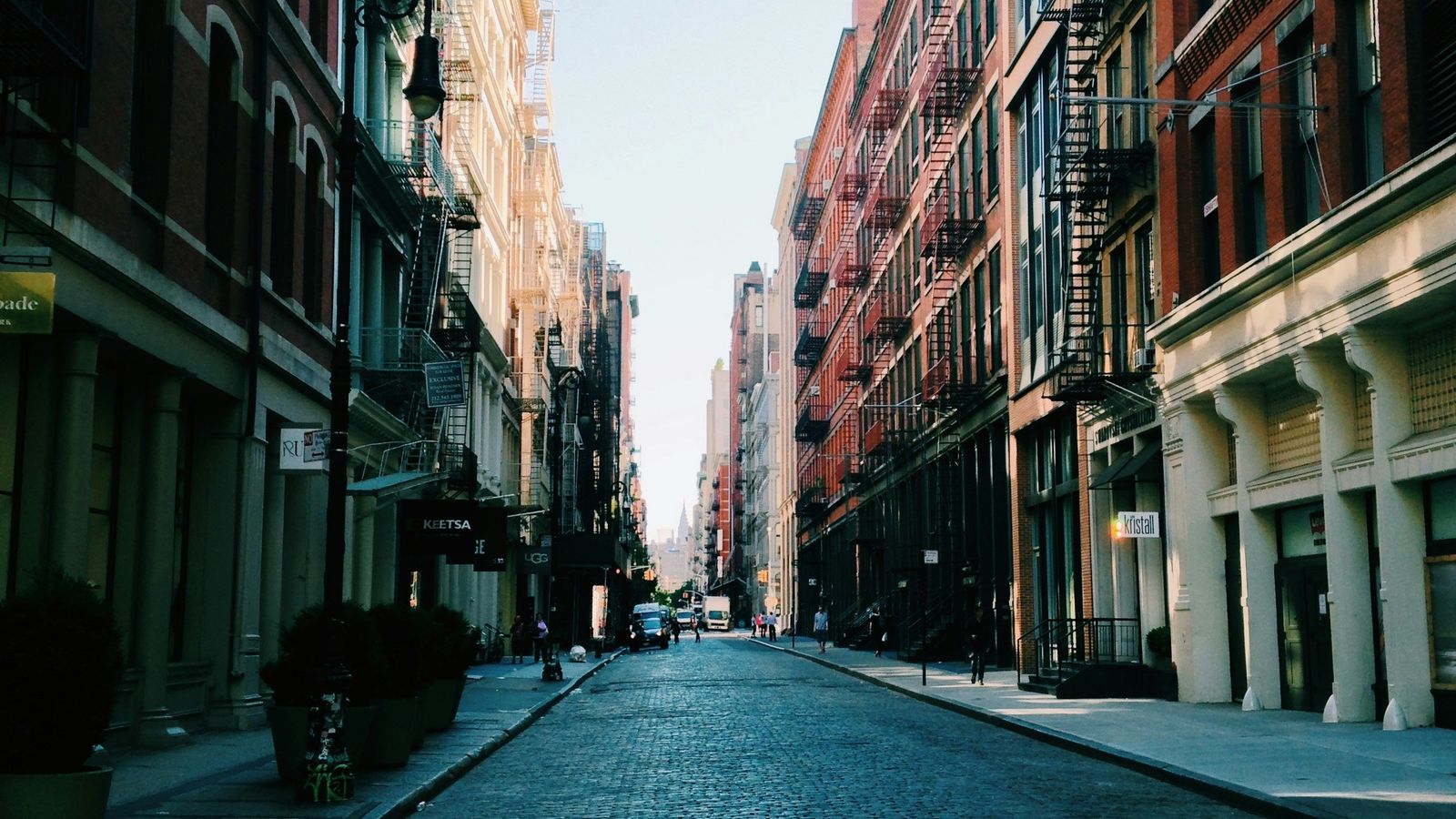
The Street That Came Before Everything Else
Stone Street was laid in 1658, when New York was still called New Amsterdam and governed by the Dutch West India Company. At the time, it was known as Brouwer Street — named for the breweries that lined it. Manhattan in those years was a small trading post on the southern tip of an island, surrounded by wilderness and water.
The Dutch made it cobblestone. In a city of mud and dust, that was revolutionary. They renamed it for what distinguished it from every other street in the colony: the stones themselves. Stone Street — the first paved road in all of New Amsterdam.
When the British took control in 1664 and renamed the city New York, the street remained. When the Revolution came and went, the street remained. It has outlasted every empire that has ever claimed this island. To understand how deep that history runs, read more about the 10,000 years of history beneath Manhattan’s streets.
The Great Fire and the Buildings You See Today
In December 1835, a fire broke out near Broad Street and tore through Lower Manhattan. It destroyed more than 650 buildings and burned for two full days. Most of the colonial-era structures on Stone Street were consumed in the blaze.
But the street itself survived. And in the years that followed, merchants rebuilt — fast, solid, and in the Greek Revival style fashionable at the time. The red brick counting houses and commercial buildings that now line Stone Street date from 1836 to 1840. They were built to hold merchandise, keep accounts, and move goods through the booming port of New York.
For the next century, Stone Street was the beating heart of the city’s commercial district. Merchants. Lawyers. Importers. The energy of early American capitalism flowed through this narrow lane.
How the Street Disappeared — and Came Back
By the mid-20th century, the Financial District had transformed. Glass towers went up. The old counting houses became storage rooms or sat empty. Stone Street grew quiet and forgotten. At some point, workers poured asphalt directly over the cobblestones to ease vehicle traffic.
For decades, one of the oldest paved surfaces in North America lay hidden under a layer of blacktop. Most New Yorkers had no idea it was there.
Then, in the 1990s, during routine street repairs, workers cracked through the asphalt and found it. The cobblestones — hundreds of years old — were still there, intact beneath the city. In 2000, the block received landmark status and was fully restored. The cobblestones were cleaned and reset. The buildings were preserved. Stone Street came back.
Enjoying this? Join New York lovers getting stories like this every week. Subscribe free →
Stone Street Today: Ancient Ground, Modern Revelry
Visit on a warm summer evening and you’ll find something unexpected. Stone Street is full of people. Tables and chairs spill out of the bars and restaurants lining both sides of the alley. After-work crowds from the nearby office towers pack the cobblestones. The street that once carried carts of Dutch goods now supports hundreds of folding chairs, cold drinks, and the sound of the city unwinding after a long day.
The contrast is something to savour. You’re sitting on ground laid nearly 400 years ago. The buildings around you were built before the Civil War. And you’re eating and drinking in the shadow of some of the most expensive skyscrapers on earth. That’s New York — layered, contradictory, alive.
In winter, Stone Street empties and turns quietly atmospheric. The cobblestones glisten in the rain. The old brick glows under the streetlights. You can stand in the middle of the alley and hear almost nothing — an eerie calm in the heart of the financial capital of the world. It’s one of the city’s most underrated experiences.
What to Explore Near Stone Street
Stone Street sits in the middle of some of New York’s most historically rich territory. Just minutes away is Fraunces Tavern, where George Washington delivered his farewell address to his officers in 1783. The original building dates to 1719 — one of the oldest surviving structures in the city.
A short walk north, the Woolworth Building — once the tallest in the world — stands as another reminder of how aggressively New York has always chased its own ambitions. The Financial District rewards anyone willing to slow down and look up.
The 9/11 Memorial and Museum are also nearby — a powerful counterpoint to the summer crowds on Stone Street. Both places hold something profound about New York’s relationship with history and resilience.
Frequently Asked Questions About Stone Street NYC
What is Stone Street in New York City?
Stone Street is a historic cobblestoned alley in the Financial District of Lower Manhattan. It holds the distinction of being one of the first paved streets in New Amsterdam — laid by Dutch settlers in 1658. Today it combines its colonial-era architecture with a lively outdoor dining and bar scene.
Where exactly is Stone Street Manhattan located?
Stone Street runs between Whitehall Street and Hanover Square in Lower Manhattan’s Financial District. The easiest approach is from Broad Street, near Exchange Place. It’s within easy walking distance of Wall Street, the Charging Bull, and the 9/11 Memorial.
When is the best time to visit Stone Street New York?
Spring through early fall offers the best experience, particularly warm weekday evenings when the outdoor restaurants and bars are packed with the after-work Financial District crowd. Winter visits are quieter but atmospheric — the cobblestones and 19th-century architecture look especially striking on a cold, clear evening.
Are there restaurants and bars on Stone Street?
Yes — Stone Street has a cluster of bars and restaurants operating inside the historic 1836 Greek Revival buildings. Outdoor seating on the cobblestones is available spring through fall, making it one of Lower Manhattan’s most memorable spots for an outdoor drink after exploring the neighborhood.
Stone Street is easy to miss. It doesn’t appear on most tourist maps. Tour buses don’t stop there. But if you find yourself in Lower Manhattan and you want to touch something genuinely old — something that was here before the Revolution, before the skyscrapers, before the city became what it is — walk down Stone Street. Stand on those cobblestones. Look up at the narrow strip of sky between the 1836 buildings. This is where New York began.
You Might Also Enjoy
- New York Was Built on an Island That Already Had a Name for 10,000 Years
- Inside the Woolworth Building: The Cathedral of Commerce That Changed New York Forever
- Grand Central Terminal Is Full of Secrets — and Most People Walk Right Past Them
Plan Your New York Trip
Ready to explore Lower Manhattan and beyond? Our 5-day New York City itinerary covers the Financial District alongside the city’s greatest neighborhoods — a complete guide for first-time visitors and returning travelers alike.
Join 1,100+ New York Lovers
Every weekday morning, get New York’s hidden gems, neighbourhood stories, food origins, and city secrets — straight to your inbox.
Subscribe free — enter your email:
Love more? Join 65,000 Ireland lovers → · Join 43,000 Scotland lovers →
Free forever · Unsubscribe anytime

Subscribe Free