
There was a short stretch of time — maybe a decade — when a few blocks in Lower Manhattan held the entire soul of American literature. Poets slept on pull-out sofas. Novelists ran up bar tabs they’d never pay. And somehow, out of all that beautiful chaos, came the books that changed everything.
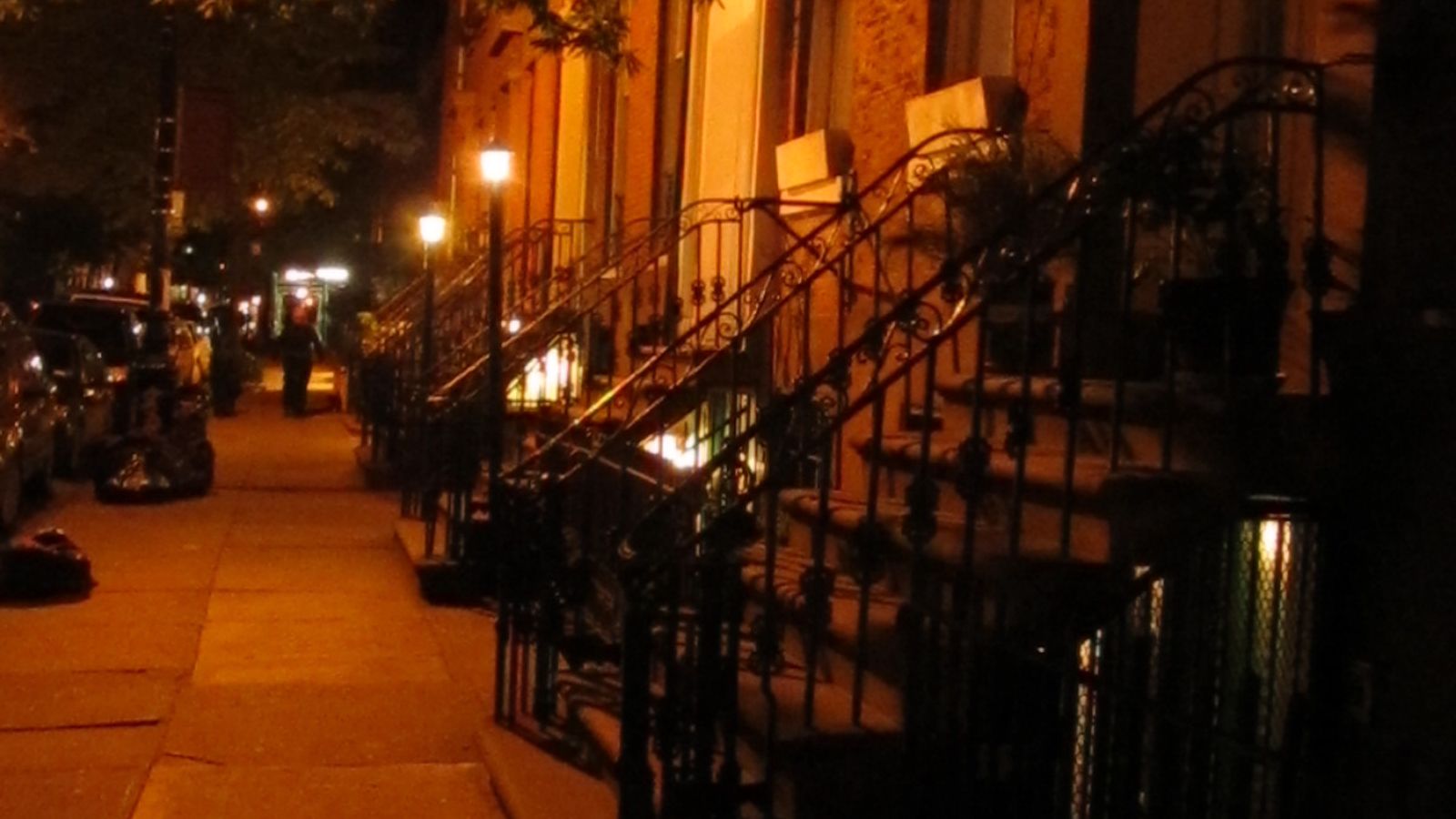
The Village Before the Revolution
Greenwich Village had always attracted the unconventional. Artists and bohemians had gathered in these brownstone-lined streets since the 1910s, drawn by cheap rents and a city that largely looked the other way.
By the early 1950s, the rent was still low enough for a writer living on nothing to survive. The neighborhood had coffeehouses, jazz clubs, and dive bars where a face could stay unknown — or become famous, depending on the night.
Where They Gathered
The White Horse Tavern on Hudson Street was the anchor. Dylan Thomas drank himself to death there in 1953 — eleven whiskeys in one evening — and his ghost never really left. Jack Kerouac drank there too, brooding over notebooks. Norman Mailer started arguments in the back booth.
A few blocks away, the San Remo on MacDougal Street pulled in Kerouac, James Baldwin, William S. Burroughs, and Gregory Corso. On any given night, the literary half of the American century might be sitting at the bar.
The Night a Poem Changed Everything
In 1956, Allen Ginsberg read “Howl” aloud for the first time at a San Francisco gallery — but the poem was conceived and refined in a small apartment off Bleecker Street. The Village was where Ginsberg sat at his typewriter and let himself say things American poetry had never said before.
Obscene, ecstatic, furious. When the poem was published and obscenity charges were filed, it made international news. The Beat Generation wasn’t just a literary movement. It was a cultural earthquake, and Greenwich Village was the epicenter.
Enjoying this? Join New York lovers getting stories like this every week. Subscribe free →
A Neighborhood That Listened
Part of the Village’s power was its density. You couldn’t walk two blocks without bumping into a painter, a sculptor, a playwright, or a filmmaker. The Cedar Tavern on University Place was where Abstract Expressionists held court — and where poets came to argue with painters over what art was even for.
A poem could sound like jazz. A painting could read like verse. Those conversations happened because everyone was broke and walking the same streets. Creativity grew in the cracks between ambition and poverty.
For a deeper look at what these streets still hold today, the Greenwich Village neighborhood guide traces the same paths the Beats once walked every single day.
The Coffeehouses and What They Started
By the late 1950s, coffeehouses began opening on MacDougal Street — Café Wha?, the Gaslight, Café Figaro. They served cheap espresso and hosted open-mic poetry nights. The rooms were small and the audiences leaned forward.
Bob Dylan arrived from Minnesota in 1961 and played his first New York sets in these same rooms, folding himself into a lineage that ran back through Ginsberg and Kerouac. The folk revival and the Beat movement weren’t separate things. They were the same hunger: to say something true, to a room full of people actually listening.
New York has a long history of turning raw, unfinished spaces into cultural revolutions — as the story of the tiny Bowery club that accidentally invented punk rock shows, the city keeps doing it, generation after generation.
Walking in Their Footsteps Today
Greenwich Village looks different now. The rents that once sheltered broke poets are long gone, replaced by some of the most coveted addresses in Manhattan. But the bones are the same. The White Horse Tavern still pours pints on Hudson Street. The narrow blocks still line themselves with brownstones, each one the kind of building where, once, a typewriter could be heard from the sidewalk.
If you want to understand New York’s literary soul, you walk the Village. You find the streets, the bars, and the stoops. The city doesn’t explain itself to visitors. It just keeps moving, carrying all of that history just underneath the surface.
The Beats were looking for the real America, and they found it in a ten-block radius in Lower Manhattan. They found it in the coffee rings on Formica tables, in the jukebox playing Coltrane at 2 a.m., in arguments that went nowhere and poems that went everywhere.
New York didn’t make them famous. New York just gave them the room to become themselves.
You Might Also Enjoy
- The Tiny Bowery Club Where New York Accidentally Invented Punk Rock — Another chapter in New York’s long tradition of turning raw spaces into something that changes everything.
- Hidden Gems in NYC: The New York Most Tourists Never See — From forgotten courtyards to secret rooftops, the side of the city that doesn’t make the postcards.
Plan Your New York Trip
Ready to walk the Village yourself? The Ultimate New York Travel Guide covers neighborhoods, neighborhoods, and everything you need to explore the city like a local — including where to eat, stay, and get completely, happily lost.
Join New York Lovers
Every weekday morning, get New York’s hidden gems, neighbourhood stories, food origins, and city secrets — straight to your inbox.
Subscribe free — enter your email:
Love more? Join 65,000 Ireland lovers → · Join 43,000 Scotland lovers →
Free forever · Unsubscribe anytime
