
Walk into Katz’s Delicatessen on Houston Street and the argument starts before you reach the counter. Pastrami or corned beef. Hand-sliced or machine-cut. Mustard only. The rules here are unspoken, fiercely held, and entirely non-negotiable. New York doesn’t produce a lot of consensus. But it produces a lot of pastrami.
The Barrel in Romania That Started It All
Long before New York had its first delicatessen, Jewish communities in Romania were curing meat in brine. The technique was ancient, born of necessity. Winters were brutal. Refrigeration didn’t exist. A family needed protein through February.
The traditional cut was goose breast. It was packed into barrels with salt, garlic, coriander, and black pepper, then smoked over wood. The Romanians called it pastramă — derived from the Turkish word for pressed and cured meat.
When Romanian Jewish immigrants began arriving in New York in the 1880s and 1890s, they brought the technique with them. Goose was expensive and hard to find in America. Beef brisket — cheap, kosher-available, and abundant — became the substitute. Pastramă became pastrami. And the Lower East Side became its home.
The Neighborhood That Made Pastrami Famous
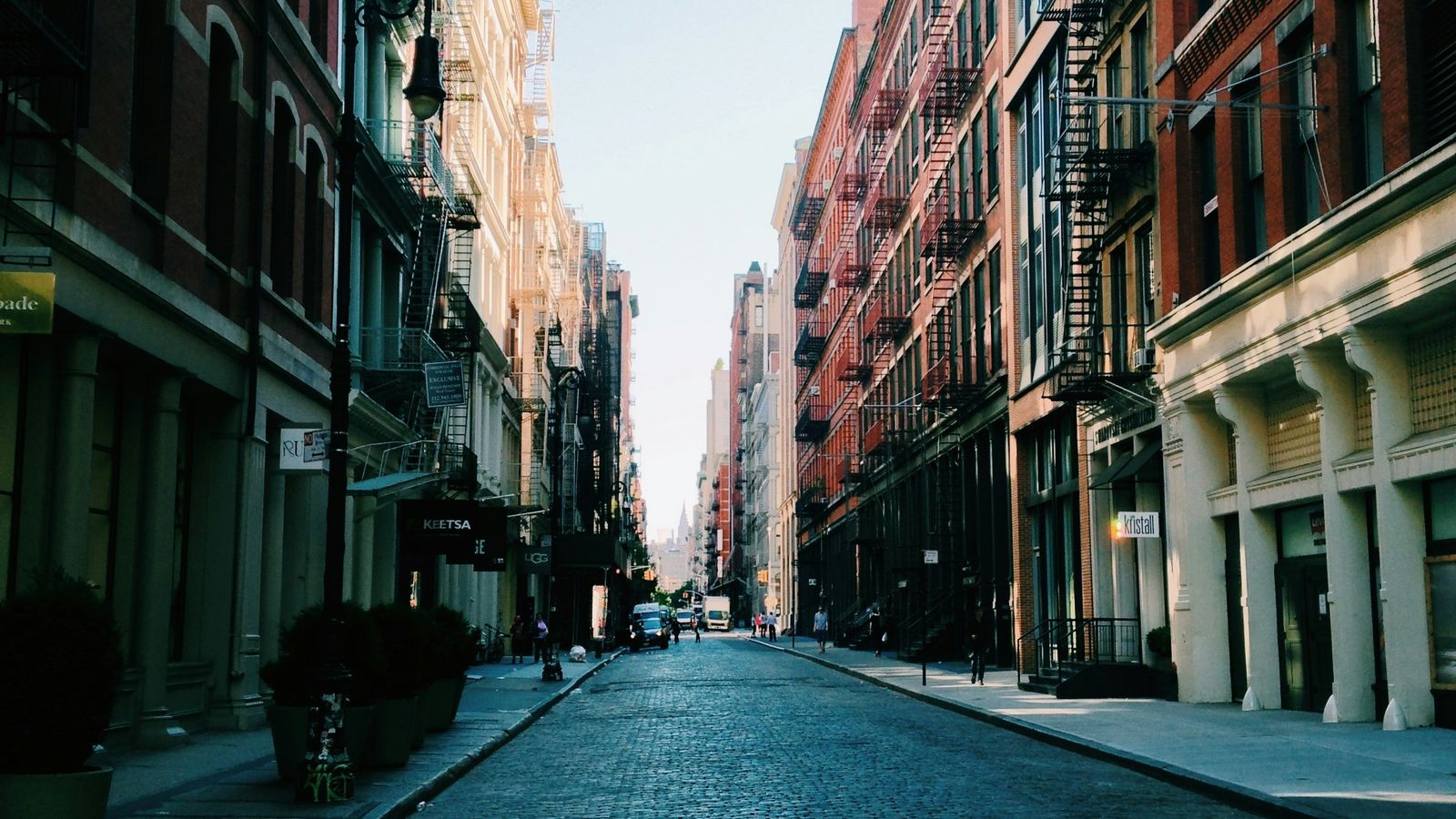
By 1900, the Lower East Side was the most densely populated neighborhood on Earth. Hundreds of thousands of Eastern European Jewish immigrants were packed into tenements between Canal Street and Houston. Pushcarts lined Orchard Street. The smell of smoked meat drifted down Delancey.
The Jewish delicatessen became the neighborhood’s social institution — part restaurant, part community center, and always a venue for spirited disagreement. You ate standing up, squeezed into a small table, or took your sandwich wrapped in wax paper to eat on the curb. Pastrami cost pennies. A full sandwich could last all afternoon.
The immigrant bakers and food makers of the Lower East Side were quietly transforming a city’s palate, one storefront at a time. Pastrami was just one part of that story — but it turned out to be the most durable.
Katz’s Delicatessen and the Deli Wars
Katz’s Delicatessen opened on Houston Street in 1888. It’s still there. Same neon sign. Same paper ticket system. Same pastrami. A sandwich at Katz’s weighs close to a pound and arrives on rye bread with a side of pickles. They will not apologize for this.
What made Katz’s special wasn’t just longevity — it was method. Navel cut brisket, cured for weeks in a spiced brine, smoked over hardwood, then finished with a long steam that renders it impossibly tender. The steam is the secret. It’s what most places outside New York skip.
Enjoying this? Join New York lovers getting stories like this every week. Subscribe free →
The 20th-century deli wars were fought with genuine intensity. Carnegie Deli, Second Avenue Deli, Stage Deli — each had its loyal armies. Arguments about who served the best pastrami were conducted with the same passion New Yorkers brought to everything else. Most of those rivals are gone now. Katz’s remains.
Why New York Pastrami Tastes Different Everywhere Else
Ask a New Yorker why pastrami here is better than anywhere else and you’ll get four different answers simultaneously. The water. The beef. The smoking wood. The decades of seasoning baked into the walls.
Some of it is genuine. New York delis source the navel cut — fattier, more marbled, and more flavorful than the round cut used by most out-of-town operations. The curing time matters. The black pepper and coriander spice rub matters. And the steam finish creates a texture that can’t be replicated any other way.
But part of it is place. Pastrami tastes like something in New York because it carries a century of neighborhood memory. You can eat a technically identical sandwich in another city and it will never quite land the same way. Context is an ingredient.
Where to Find New York’s Best Pastrami Today
Katz’s Delicatessen (205 E Houston St, Lower East Side) remains the benchmark. Go on a weekday morning before the crowds arrive. Take a ticket. Tip your carver. Order the pastrami on rye.
2nd Ave Deli (1442 First Ave at 74th St, with a Midtown location) carries on the tradition with serious craft. Sarge’s Delicatessen on Third Avenue is beloved by regulars who prefer their delis without tourist traffic.
For something more contemporary, Mile End Delicatessen in Brooklyn brings Montreal-style smoked meat into the conversation — technically a rival tradition, but worth trying for the comparison. Our full New York food guide covers the wider culinary landscape across all five boroughs.
What is the best time to visit Katz’s Delicatessen in New York?
Weekday mornings between 10am and noon are the quietest. Weekend lunch crowds are intense — arrive before 11am or after 2pm to avoid the longest lines.
Where can I find the best pastrami sandwich in New York City?
Katz’s Delicatessen on the Lower East Side is the most celebrated and historically significant. The 2nd Ave Deli and Sarge’s Delicatessen are excellent alternatives with shorter waits and equally serious commitments to the craft.
What makes New York pastrami different from pastrami in other cities?
New York delis use navel cut brisket, cure it longer in a spiced brine, smoke it over hardwood, and steam-finish it — creating meat that’s tender, moist, and deeply flavored. The cut, the cure time, and the steam step are what most other cities skip or shortcut.
Is there a connection between New York pastrami and Jewish immigrant history?
Absolutely. Pastrami in New York traces directly to Romanian Jewish immigrants who arrived in the Lower East Side in the 1880s and 1890s, bringing centuries-old meat-curing traditions from Eastern Europe. The deli culture they built became one of New York’s defining food institutions.
The same streets gave New York its Yiddish theater tradition — two parallel immigrant stories unfolding block by block on the same pavement.
There are better ways to understand a city than eating in it. But none of them work quite as well. When you order a pastrami sandwich in New York, you’re pulling a thread that goes back to a barrel in Romania, to a ship crossing the Atlantic, to a pushcart on Delancey Street in 1895. New York made pastrami famous. But the people who made New York made pastrami first.
You Might Also Enjoy
- The Immigrant Pastry That Fed New York for Over a Century — and Still Does
- The Theater Street That Made Millions of New Yorkers Laugh, Cry, and Argue in Yiddish
- Why New York’s Irish Built Their Second Home in This Corner of Queens
Plan Your New York Trip
Ready to explore New York’s food history in person? Our New York City travel tips guide covers everything you need before your first visit — from the best neighborhoods to navigate to the hidden gems most tourists walk straight past.
Join 1,100+ New York Lovers
Every weekday morning, get New York’s hidden gems, neighbourhood stories, food origins, and city secrets — straight to your inbox.
Subscribe free — enter your email:
Love more? Join 65,000 Ireland lovers → · Join 43,000 Scotland lovers →
Free forever · Unsubscribe anytime

Subscribe Free