
Three days in New York City might sound impossibly short for a place this vast, but get the planning right and you will cover more ground — and feel more of the city — than most visitors manage in a week. This guide to 3 days in New York City is built for first-timers who want the real thing: the iconic landmarks, yes, but also the neighbourhoods, the food, and the quiet moments that stay with you long after you leave. Follow this itinerary and you will return home knowing you actually saw New York, not just a version of it designed for tourists.
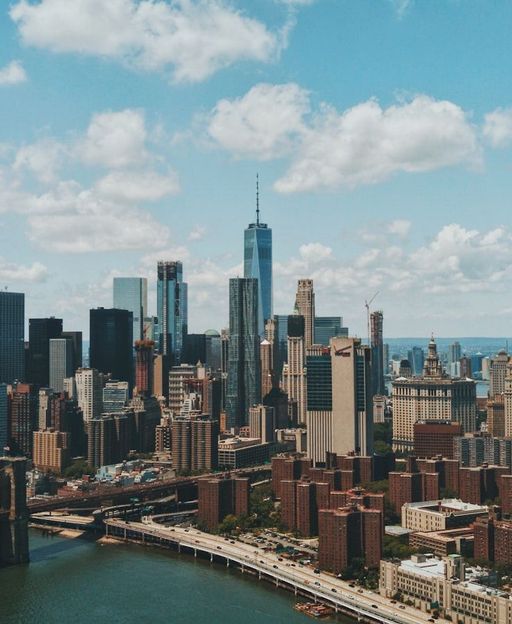
Day 1: Manhattan Icons and First Impressions
There is no soft landing in New York. Day one drops you straight into the city’s heart, and that is exactly as it should be. Start early, stay curious, and let Manhattan’s energy carry you through.
Morning: Central Park and the Upper West Side
Begin at Central Park — 843 acres of green in the middle of Manhattan — and walk through the quieter northern end, past the Conservatory Garden or along the Harlem Meer. This is a park that rewards aimless wandering. Arrive before 8am if possible, before the tourist groups, and you will hear birdsong above the traffic and find whole sections entirely to yourself.
After the park, head down to the Upper West Side for breakfast. Broadway and Columbus Avenue are lined with proper New York diners, bagel shops, and bakeries that feel nothing like the tourist-facing cafés of Midtown. Order a bagel with cream cheese and lox and eat it standing up. This is the city at its most straightforward and honest.
Afternoon: The High Line and Chelsea
Take the subway downtown and walk the High Line — the elevated park built on a disused railway line that runs through the Chelsea neighbourhood. It is one of the city’s great modern achievements: two and a half kilometres of garden, public art, and improbable views above the streets below. Walk it south to north, then drop down into Chelsea’s gallery district.
The Empire State Building is worth the visit once, especially for the view from the 86th floor observation deck. Book tickets in advance online and go before 3pm to beat the queues. The observation deck faces all four directions, and on a clear day you can see for more than 80 kilometres across three states.
Evening: Greenwich Village
End your first day in Greenwich Village — the neighbourhood that has been home to artists, writers, musicians, and countercultural movements for the better part of a century. Walk Bleecker Street, duck into a record shop, and find a table at one of the restaurants on Cornelia Street or MacDougal Street. The Village rewards slow evenings. Order whatever you feel like and stay as long as the restaurant will have you.
Day 2: Brooklyn and the Borough Beyond
Day two takes you across the East River to Brooklyn, which is now as essential a New York experience as anything in Manhattan. Do not let anyone tell you Brooklyn is secondary. It is different, and the difference is the point.
Morning: Walking the Brooklyn Bridge
Walk the Brooklyn Bridge. Do it early — before 9am if you can — and walk from Manhattan to Brooklyn so you arrive with the neighbourhood ahead of you rather than behind you. The bridge walk takes about 30 to 40 minutes, and the views are extraordinary in both directions. To your left, Lower Manhattan’s towers rise from the water. To your right, the harbour opens out towards the Statue of Liberty and the Atlantic beyond.
From the Brooklyn end, drop down into DUMBO — the neighbourhood of cobblestone streets and converted warehouses wedged between the two bridges. The view from Washington Street, with the Manhattan Bridge framing the skyline behind you, is one of the most photographed spots in the city for good reason. Find a bench at Brooklyn Bridge Park and spend twenty minutes doing nothing. The Manhattan skyline across the water is worth that time.
Afternoon: Williamsburg and Local Life
Head north along the Brooklyn waterfront to Williamsburg for lunch. The neighbourhood has some of the best eating in New York, with restaurants ranging from serious sit-down places to counter-service spots serving food that would headline a restaurant in almost any other city. Walk Bedford Avenue and North 7th Street, where independent shops and cafés still hold their own against the larger brands.
If your visit falls between April and November, the weekend market at Smorgasburg — a Brooklyn food market held outdoors — brings together dozens of food vendors serving everything from lobster rolls to Japanese soft-serve ice cream. It is worth planning your timing around it.
Evening: Rooftop Views and a Brooklyn Dinner
Stay in Brooklyn for dinner. There are excellent restaurants across Williamsburg, Park Slope, and Carroll Gardens, and the experience of eating in a Brooklyn neighbourhood restaurant — smaller, more local, less performative than Midtown — is part of understanding what makes the city feel the way it does. End the evening on a rooftop bar with views back across the East River to Manhattan, lit up against the evening sky.
Day 3: Museums, Harlem, and Leaving Well
Your final day calls for the things you could not fit into the first two — world-class museums, an uptown neighbourhood, and a proper send-off from a city that never really stops. Use this day to go slower. You have earned it.
Morning: Harlem
Head uptown to Harlem before the midday crowds. This is a neighbourhood with a cultural history as rich as any in America — the Harlem Renaissance, jazz, gospel, and African-American intellectual and artistic life of the twentieth century all shaped themselves here. Walk 125th Street, stop at the Apollo Theater (tours run regularly), and have breakfast at one of the soul food restaurants that have fed the neighbourhood for generations.
The Schomburg Center for Research in Black Culture on Lenox Avenue is worth an hour of anyone’s time. It holds one of the most important archives of African diaspora history in the world, and entry is free. The building itself is quietly beautiful, and the reading rooms feel genuinely alive with scholarship and purpose.
Afternoon: The Metropolitan Museum of Art
Spend your last afternoon at the Metropolitan Museum of Art on Fifth Avenue — one of the genuinely unmissable experiences New York offers. The collection spans five thousand years of human art-making and you will not come close to seeing all of it. That is not the point. Pick two or three wings that matter most to you and give them proper attention. The Egyptian collection, the European paintings, the American Wing, the Islamic art galleries — each of these could occupy a full day on its own.
The Met charges a suggested admission rather than a fixed fee, which means you can pay what you are able. The museum validates your ticket for re-entry on the same day, so you can step out for lunch and come back — a genuinely useful arrangement if you need a break from the scale of it.
Evening: A Proper New York Send-Off
End your three days in a way that feels right to you. Among the hidden gems the city keeps producing: a jazz club in the West Village where the musicians arrive at midnight, a slice of pizza from a counter that has been there for forty years, a long walk across a bridge after dark when the city seems to belong entirely to you. New York does not really have a closing time, which is part of what makes it so difficult to leave.
Practical Tips for Your 3 Days in New York City
Getting Around
The subway is the fastest and cheapest way to cover long distances. Pick up an OMNY card (tap to pay) at any subway entrance — it works on all subway lines and buses. Taxis and rideshares are practical for shorter hops and late-night journeys when the subway feels less appealing. Walking is genuinely underrated: many of the best New York experiences happen between destinations, on the pavements and in the side streets, rather than inside the places you are travelling to.
Where to Stay
For first-timers, Midtown offers convenience but not much character. Chelsea, the West Village, the Upper West Side, or Brooklyn — particularly Williamsburg or Brooklyn Heights — all give you more of the actual city alongside proximity to the subway. Wherever you stay, keep your hotel within walking distance of a subway station and the logistics of the day will take care of themselves.
Making Your Budget Work
New York has a reputation for being expensive, and the reputation is earned. But some of the city’s best experiences cost nothing at all. The Met has a suggested donation. Central Park and the High Line are free. A slice of pizza from a decent counter costs around three or four dollars and is as satisfying a meal as the city offers. Plan your bigger spends — a special dinner, the Empire State Building tickets, a concert — and keep everything else simple. Your money will go further than you expect if you eat where locals eat rather than where tourists are directed.
Frequently Asked Questions About 3 Days in New York City
Is 3 days enough time to see New York City?
Three days is enough time to experience New York City meaningfully, though not to see everything it contains. Focus on two or three neighbourhoods per day rather than trying to cross the entire city, and you will leave with a genuine sense of the place rather than a blur of landmarks. The goal is not coverage — it is connection. New York rewards depth over breadth, even on a short trip.
What is the best order to explore New York City in 3 days?
Start with Manhattan on day one to orient yourself with the city’s layout and its most famous landmarks. Use day two to cross into Brooklyn and experience a different borough — the contrast between the two sides of the East River is one of New York’s defining pleasures. Save your third day for a neighbourhood you have not yet visited and at least one world-class museum. This progression moves you from the expected to the surprising, which is how New York tends to reveal itself best.
How do I get around New York City during a 3-day visit?
The subway covers the whole city reliably and runs around the clock. An OMNY card — available at any subway entrance — lets you tap to pay without needing a single-use MetroCard. Walk whenever the distance is under a mile or so, since street-level New York is where most of the interesting things happen. For late nights or when you are carrying bags, rideshares and taxis are readily available across Manhattan and most of Brooklyn.
What should I prioritise if I only have 3 days in New York City?
Prioritise variety over volume. Walk the Brooklyn Bridge, spend time in Central Park, eat a proper bagel, explore one neighbourhood in depth, and visit one world-class museum. Beyond those, follow what interests you rather than ticking boxes from a list. The best New York experiences are rarely the most obvious ones — they tend to arrive sideways, in a café you stumbled into or a street you turned down by accident.
Join 1,000+ New York Lovers
Every week, get New York’s hidden gems, local secrets, and travel inspiration — the kind you won’t find in any guidebook.
Subscribe free — enter your email:
Love more? Join 64,000 Ireland lovers → · Join 43,000 Scotland lovers → · Join 30,000 Italy lovers →
Free forever · One email per week · Unsubscribe anytime
