
In 1927, Duke Ellington sat at the piano in a Harlem club and played for a packed house. The music coming off that stage was unlike anything America had heard before. Not one person in the audience was from the neighborhood outside.
The Club That Harlem Built — and Couldn’t Enter
The Cotton Club opened in 1923 on 142nd Street and Lenox Avenue, right at the center of Harlem. It was a large, ornate room that seated around 700 guests. The decor leaned into plantation imagery and jungle aesthetics — a fantasy designed to make white patrons feel like they were venturing somewhere exotic.
The policy was explicit: white customers only. The performers were Black. That gap defined everything about the place.
Harlem’s own residents knew exactly what was happening on their street. They just couldn’t go in.
How a Bootlegger Built America’s Most Famous Jazz Stage
The Cotton Club was run through its peak years by Owney Madden, a bootlegger who used the venue to distribute his beer during Prohibition. Madden understood that Black music was the hottest commodity in America — and that white audiences would pay generously to experience it in a controlled setting.
He recruited the best talent Harlem had to offer. Ethel Waters. Cab Calloway. Lena Horne. And in 1927, he brought in a young orchestra led by an elegant pianist from Washington, D.C.: Edward Kennedy Ellington. The world knew him as Duke.
The performers had limited options in Depression-era America. The Cotton Club paid well and offered exposure that few other venues could match. They took the work. And they transformed it into something extraordinary.
Radio Changed Everything
What turned the Cotton Club from a local attraction into a national phenomenon was radio. The club’s performances were broadcast live — first on local stations, then on national networks reaching millions of homes.
Ellington used the exposure brilliantly. He began writing longer, more ambitious compositions that pushed far beyond the standard three-minute format. He treated the Cotton Club’s stage as a laboratory. The constraints around him didn’t stop the music — they seemed to sharpen it.
By the time he left in 1931, he was one of the most famous musicians on earth. The Cotton Club had made him a star, not through fairness, but through the reach of a microphone.
Enjoying this? Join New York lovers getting stories like this every week. Subscribe free →
What Harlem Heard From Outside
Harlem’s residents knew exactly what was happening at 142nd and Lenox. On warm nights, the music drifted through the windows and into the street. Neighbors gathered on the sidewalk, listening to sounds that had come directly from their own community — from a room where they weren’t welcome.
Langston Hughes, who was living and writing in Harlem at the same time, described the Cotton Club’s approach in pointed terms. It sat in the heart of Black New York while running a policy that belonged to another century.
The rent parties that were also reshaping Harlem’s music scene told the other side of the same story — Black New Yorkers creating their own spaces, their own stages, their own rules. Both things were happening at once, on the same streets, in the same decade.
The Move Downtown — and the End
By the mid-1930s, Harlem had changed. The Great Depression had drained the neighborhood economically. In 1935, a riot swept through the streets — frustration over unemployment, poverty, and police treatment boiling over into open conflict. The Cotton Club felt the shift.
In 1936, it relocated to 48th Street and Broadway in midtown Manhattan. The new address had none of the energy. Disconnected from Harlem, stripped of the contradiction that had defined it, the club became just another venue. It closed permanently in 1940.
The Legacy That Outlasted the Building
The Cotton Club is gone. The original building at 142nd and Lenox changed hands decades ago. But the music it broadcast into American living rooms in the late 1920s and early 1930s became part of the country’s cultural foundation.
Duke Ellington’s compositions from those years are still performed and studied in music conservatories. Cab Calloway’s showmanship — his famous “Hi-de-hi-de-hi-de-ho!” call-and-response style — influenced generations of performers. The big band sound that went national over Cotton Club radio broadcasts shaped American popular music for decades afterward.
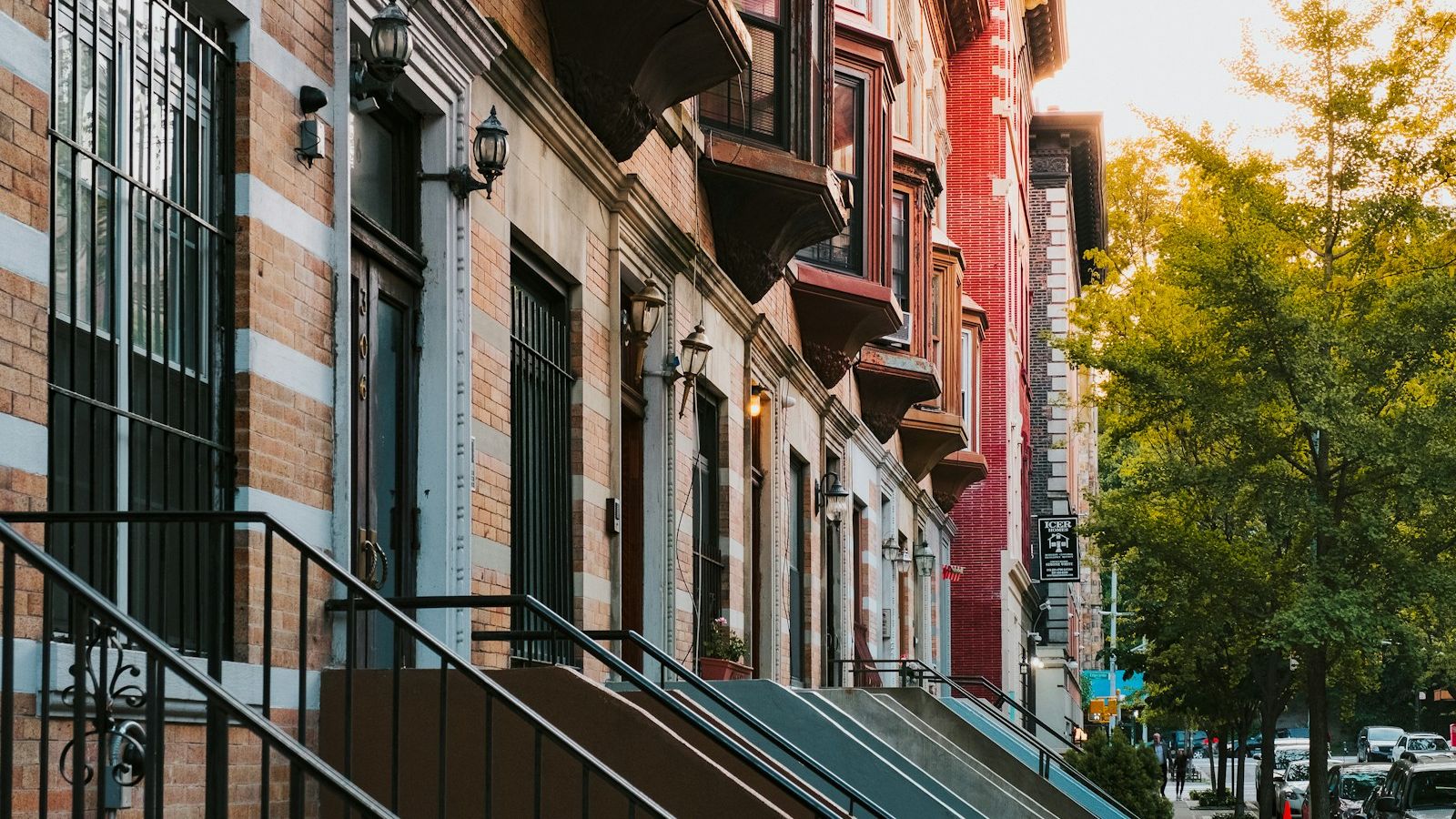
Walking up Lenox Avenue today, past the Apollo Theater and the brownstones and the corner restaurants and the community gardens, you feel the depth of what this neighborhood has produced. The Cotton Club tried to extract Harlem’s culture while keeping Harlem at arm’s length. What it couldn’t account for was how much bigger Harlem was than any rope line.
The music that came out of 142nd Street didn’t belong to the Cotton Club. It belonged to Harlem. Stand on that corner today and you’re standing on some of the most musically significant ground in American history. Explore more through our guide to hidden gems in NYC — and discover layers of the city most visitors never reach.
You Might Also Enjoy
- The Rent Parties That Saved Harlem in the 1920s — And Changed American Music Forever
- Why Every American Writer in the 1950s Needed to Live in Greenwich Village
- The Tiny Bowery Club Where New York Accidentally Invented Punk Rock
Plan Your New York Trip
Ready to explore New York’s neighborhoods, history, and hidden stories in person? The Ultimate New York Travel Guide covers everything you need to plan a trip that goes well beyond the tourist trail.
Join New York Lovers
Every weekday morning, get New York’s hidden gems, neighbourhood stories, food origins, and city secrets — straight to your inbox.
Subscribe free — enter your email:
Love more? Join 65,000 Ireland lovers → · Join 43,000 Scotland lovers →
Free forever · Unsubscribe anytime
