
In the early 1990s, Williamsburg smelled like failure. The old Domino Sugar refinery had gone dark. Factories sat empty along the waterfront. Landlords were desperate. Then a handful of artists crossed the bridge from Manhattan carrying nothing but canvases and cheap rent dreams — and everything began to change.
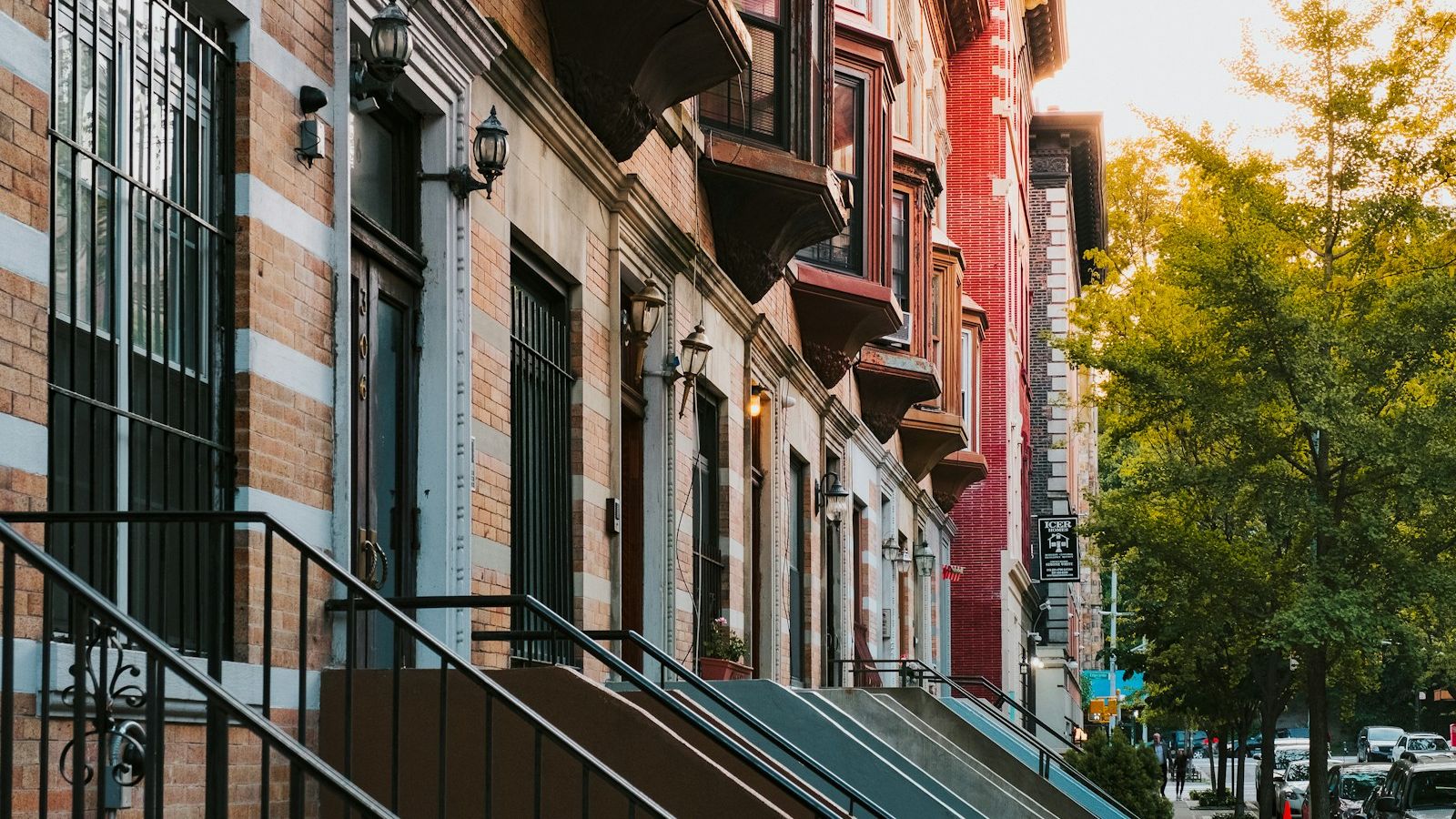
Today, Williamsburg is one of the most photographed, written about, and argued over neighborhoods in the world. It’s been called a sellout, a success story, and a cautionary tale all at once. The truth is messier — and more interesting — than any of those labels.
Built by Outsiders From the Start
Williamsburg was never meant to be anything in particular. It was farmland first — Dutch settlers working flat ground along the East River in the 1600s. By the mid-1800s it had become an industrial powerhouse. Sugar refineries, glass factories, rope works, and metalworking plants lined the waterfront.
When those industries drew workers, the workers brought their cultures. Germans came first, building beer halls and churches. Then Italians. Then, in enormous numbers, Eastern European Jews fleeing persecution.
The Williamsburg Bridge opened in 1903. It was immediately nicknamed “the Jews’ Highway” — not as an insult, but as a description. Over 100,000 Jewish immigrants crossed from the overcrowded Lower East Side in a single decade, looking for space and air and slightly cheaper rents.
The Three Worlds That Grew Side by Side
By the mid-20th century, Williamsburg had quietly split into distinct worlds. The south side remained home to the Satmar Hasidic Jewish community — one of the largest in the United States. Their presence is unchanged today: you’ll find side curls, long black coats, and Yiddish on the storefronts.
North Williamsburg, meanwhile, had become predominantly Puerto Rican. The neighborhood known as Los Sures — a reference to the southern streets — became a tight-knit community with bodegas, botanicas, and block parties that drew the whole street out.
These two communities coexisted for decades with minimal overlap and genuine mutual respect. Then came the artists.
When Cheap Rent Changed Everything
The 1980s left Williamsburg in rough shape. Crime was high, manufacturing was gone, and whole blocks sat vacant. But that vacancy was, for certain people, an opportunity.
Artists and musicians arrived in waves through the late 1980s and early 90s. They found enormous loft spaces in former factories for almost nothing. They turned warehouses into studios, galleries, and music venues. The L train — just a few stops to Union Square — made commuting to Manhattan possible without a car.
Word spread. Writers came. Designers came. Then the people who wanted to live near the writers and designers. Cafes opened. Record stores opened. A bar called Galapagos became a scene.
Enjoying this? Join New York lovers getting stories like this every week. Subscribe free →
The Tipping Point Nobody Saw Coming
By the early 2000s, Williamsburg had crossed a threshold. New York magazine ran a cover story. The New York Times discovered Bedford Avenue. Restaurants that would have made sense in SoHo started opening on side streets in Greenpoint.
McCarren Park became an outdoor concert venue in the summer. The old hotel on the waterfront became the Wythe Hotel, with a rooftop bar overlooking Manhattan. Condo buildings started replacing the last of the factories.
The artists who started it all found themselves priced out — and moved east into Bushwick and Ridgewood, where the same story is playing out again. Brooklyn has always done this: absorbed one wave, then sent it rolling to the next neighborhood over.
This cycle — of industry, immigration, abandonment, artistic colonization, and eventual gentrification — has played out across Brooklyn’s story for 150 years. Brooklyn’s history of reinvention goes back further than most people realize.
What Williamsburg Actually Looks Like Today
Walk Williamsburg today and you’ll find all of it at once. The Hasidic community south of Division Avenue looks almost exactly as it did in 1970. The bodegas of Los Sures are still there, though the neighborhood around them has changed.
On Bedford Avenue, the coffee shops and vintage stores sit next to delis that have been there for forty years. On the waterfront, the Domino Sugar refinery has been converted into a luxury residential and retail development — though they preserved the old refinery building’s facade and the sign.
What makes Williamsburg different from other gentrified neighborhoods is that the original communities didn’t disappear. They’re still here, still loud, still present. Community boards fight development. Long-term residents push back. It’s messy and imperfect and very, very New York.
The Williamsburg Bridge still connects it all — the same structure that carried Jewish immigrants from the Lower East Side in 1903, now carrying cyclists and L train riders from Manhattan every day.
Stand at its Brooklyn end in the early evening. The Manhattan skyline is in front of you. The neighborhood hums behind you. And somewhere in that sound — espresso machines and Yiddish and reggaeton and construction noise — you can still hear what New York has always been: a place that takes everyone in and eventually becomes all of them at once.
You Might Also Enjoy
- The Three Rival Pleasure Palaces That Once Made Brooklyn the Center of the World
- Why the First Person to Cross the Brooklyn Bridge Was a Woman With a Rooster
- New York Once Gave Up on the Bronx. The Bronx Never Gave Up on Itself.
Plan Your New York Trip
Williamsburg is easy to reach by subway (L train to Bedford Avenue) and makes a perfect half-day or full-day Brooklyn itinerary. Browse the Ultimate New York Travel Guide for everything you need to plan your visit, from neighborhoods to eat in, to where to stay, to how to see the city like a local.
Join New York Lovers
Every weekday morning, get New York’s hidden gems, neighbourhood stories, food origins, and city secrets — straight to your inbox.
Subscribe free — enter your email:
Love more? Join 65,000 Ireland lovers → · Join 43,000 Scotland lovers →
Free forever · Unsubscribe anytime
