
Every New York City first-time visitor feels it the moment they step onto the pavement: a city-sized roar, the smell of street food and exhaust, and a skyline that somehow exceeds every expectation. New York does not ease you in. It hits you all at once, and that is precisely the point.
This guide covers everything you need before and during your first visit — from riding the subway for the first time to picking the right neighbourhood to stay in, and from the sights that genuinely deserve your time to the ones you can skip without regret.
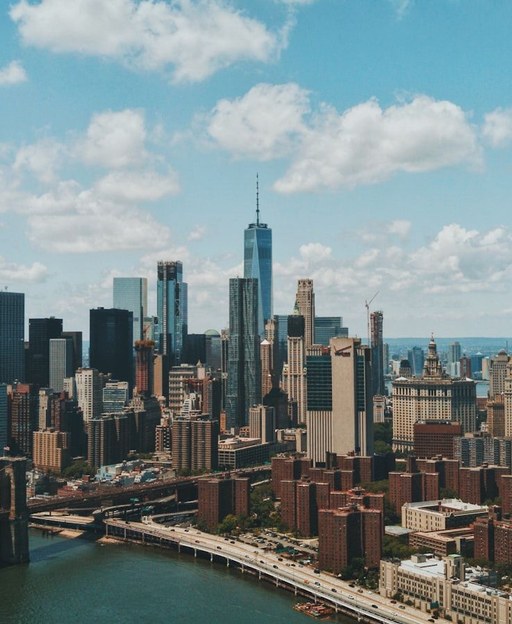
How to Plan Your First Trip to New York City
Good planning makes the difference between a trip that feels frantic and one that feels effortless. New York rewards visitors who understand the city before they arrive.
How Long Should You Spend in New York City?
Three to five days is the ideal window for a first visit. Three days covers the highlights: Central Park, the Brooklyn Bridge, a couple of great meals, and a neighbourhood walk you will not forget. Five days lets you slow down. You can cross the East River into Brooklyn, find a quiet coffee shop in Williamsburg, and feel something close to a local by the time you leave.
If you only have two days, keep your expectations realistic. Focus on one or two areas, choose your biggest priorities per day, and leave room to wander without a plan. The best New York moments rarely happen at ticketed attractions.
For a structured day-by-day approach, the 3 Days in New York City itinerary walks you through exactly what to see and in what order.
Choosing the Right Season for Your First Visit
Spring (April to May) and autumn (September to October) offer the most comfortable conditions. Temperatures hover between 14 and 18 degrees Celsius, the light is exceptional, and the parks are at their most photogenic.
Summer is hot, humid, and crowded. July temperatures can reach 33 degrees Celsius. The street energy intensifies in summer, but the heat adds effort to every long walk. Winter brings quieter streets, ice rinks in Bryant Park and at Rockefeller Center, and some of the most competitive hotel pricing of the year.
The best time to visit New York City guide breaks down every month, covering festivals, peak seasons, and what to expect from the weather and crowds.
Getting Around New York City as a First-Time Visitor
The subway looks complicated on a map. In practice, it is fast, affordable, and far simpler than it appears. Most visitors need only a handful of lines to reach everything they want to see.
Understanding the New York City Subway
Tap in at the turnstile using a contactless bank card or an OMNY transit card — available at any station vending machine. The fare is flat-rate: the same price regardless of whether you travel one stop or thirty. Download the MTA app before you leave home. It provides live departure times, step-by-step routing, and service alerts.
In Manhattan, the 1, 2, and 3 trains run along the west side. The A, C, and E trains run a parallel north-south route. The 4, 5, and 6 trains serve the east side. The L train links Midtown to Williamsburg in Brooklyn. These six lines cover most places first-time visitors want to reach.
Avoid the subway during rush hour — 7 to 9am and 5 to 7pm on weekdays — for your first couple of days. The trains fill to capacity and the platforms feel chaotic until you find your bearings. Late evenings are quieter and a perfectly straightforward time to travel.
Walking: The Best Way to Experience New York City
New York is designed for walking in a way that few cities match. The Manhattan grid system makes navigation instinctive: avenues run north-south, numbered streets run east-west, and the numbers climb as you move uptown. After an hour of walking, even first-time visitors feel oriented.
The best things in New York happen between destinations: a steam vent rising from the Midtown pavement, a brownstone-lined side street in the West Village, an unexpected mural on a Bushwick wall. Leave time to walk without a plan.
The New York City self-guided walking tours guide maps out five of the most rewarding routes across the boroughs, from the High Line in Chelsea to the waterfront in Dumbo.
Yellow cabs and ride-shares such as Uber and Lyft operate across all five boroughs. Taxis are metered, reliable, and useful for late evenings or when you carry luggage between areas. They are not the fastest option during Midtown traffic — the subway is nearly always quicker inside Manhattan.
The Neighbourhoods Every First-Time Visitor to New York City Should Know
New York’s neighbourhoods feel like separate cities. A morning in the Financial District and an afternoon in Williamsburg offer entirely different atmosphere, architecture, and street life.
Manhattan: Essential Areas for a First Visit
Midtown holds the images most people picture when they think of New York: Fifth Avenue, the Empire State Building, Times Square, and the Rockefeller Center. The Top of the Rock viewing platform is worth the entry price. It frames the Empire State Building against Lower Manhattan — a view you cannot get from the Empire State’s own deck.
The Upper West Side and Upper East Side feel calmer and more residential than Midtown. Central Park runs between them — an hour spent wandering its paths on a clear morning remains one of the most reliable pleasures New York offers.
Greenwich Village and Chelsea suit visitors who want independent restaurants, bookshops, and galleries. The High Line runs through Chelsea into Hudson Yards. It is an elevated park built on a disused freight railway. The walk takes around 30 minutes and shows you the city from a fresh angle.
The Financial District rewards a morning visit. The 9/11 Memorial and Museum is a carefully designed and moving site that deserves more than a rushed hour. The Staten Island Ferry leaves from Whitehall Terminal, costs nothing, and gives you one of the great views of the Lower Manhattan skyline.
Brooklyn: Not a Detour, But Essential
Most first-time visitors underestimate Brooklyn. It is not a side trip — it is part of New York in every real sense. It rewards visitors who give it proper time rather than a rushed afternoon.
Dumbo offers the most photographed view in New York: the Manhattan Bridge framed at the end of Washington Street, with the Brooklyn Bridge visible beyond. Brooklyn Heights has brownstone-lined streets that feel unchanged for decades. Williamsburg delivers the city’s most interesting mix of coffee shops, independent restaurants, vintage stores, and street art.
Walk the Brooklyn Bridge on foot. Cross from Manhattan to Brooklyn, which takes around 25 minutes. The views from the central span stretch in every direction and are worth every step of the walk. Start early — the bridge fills by 10am on clear days and grows crowded by midday at weekends.
The best neighbourhoods in New York City guide covers all five boroughs with detailed advice on what each area offers and which suits different kinds of visitors.
Practical Tips Before Your First Trip to New York City
Understanding Costs and Budget
New York is an expensive city. Budget around $30 to $45 for a casual lunch at a neighbourhood spot, and $70 to $100 for dinner at a mid-range restaurant. A subway journey costs $3. Museum entry varies: the Museum of Modern Art (MoMA) charges around $30 for adults; the Metropolitan Museum of Art asks for a suggested donation but admission is pay-what-you-wish for New York State residents and students.
Plenty of the city’s best experiences cost nothing at all. The free things to do in New York City guide covers dozens of no-cost options: the Brooklyn Bridge, Central Park, the High Line, the Staten Island Ferry, and many of the city’s most memorable streets and parks.
Tipping, Safety, and Booking Ahead
Tipping is not optional in New York. Tip 20 per cent of the pre-tax bill in restaurants and bars. Taxi and Uber drivers expect 15 to 20 per cent. Hotel staff, room service, and tour guides all customarily receive tips. This is not a suggestion — it is how service workers in the city earn their income.
New York City is considerably safer than its international reputation suggests. Midtown Manhattan, the Brooklyn waterfront, Greenwich Village, and Central Park are consistently busy, well-lit, and safe at most hours. Use common sense, keep your phone in your pocket on the subway, and stay aware of your surroundings in quieter areas — the same approach you would take in any large city.
Book accommodation three to six months ahead for peak periods (spring and autumn). Many of the city’s popular restaurants require reservations — make them the week before you travel rather than on the day. The best neighbourhoods for staying in New York City guide covers every option from budget to boutique.
A Note on Times Square
Times Square deserves one visit, at night, for around twenty minutes. The scale and spectacle of it are genuinely extraordinary — no description quite prepares you for the density of light and noise. But do not eat there. The restaurants along the strip are expensive and aimed entirely at visitors unfamiliar with the city. Walk through, take your photographs, and head to Hell’s Kitchen — half a block west and a completely different world — for dinner.
Frequently Asked Questions
What should a New York City first-time visitor do?
Walk the Brooklyn Bridge, spend a morning in Central Park, and choose one neighbourhood beyond Midtown to explore properly. Dumbo in Brooklyn, Greenwich Village in Manhattan, and the High Line in Chelsea all reward slow, aimless walking far more than rushed sightseeing. Resist the impulse to see everything. Choose fewer things and experience them fully — that is where New York reveals itself.
How many days do you need for a first visit to New York City?
Three to five days covers the essential New York experiences comfortably. Three days works if you plan carefully, though you will leave things unseen — which gives you a reason to return. Five days allows you to slow down, spend a proper afternoon in Brooklyn, and feel the city rather than simply photograph it.
Is New York City safe for first-time visitors?
Yes. The areas most first-time visitors spend their time in — Midtown Manhattan, Central Park, the Brooklyn waterfront, Greenwich Village, and the Financial District — are consistently safe and well-populated throughout the day and into the evening. Keep valuables out of sight on the subway, move with awareness in quieter streets, and apply the same common sense you would in any major city. New York’s reputation for danger is considerably outdated.
What is the best neighbourhood to stay in for a first visit to New York City?
Midtown Manhattan places you within walking distance of most major attractions and offers fast subway access to everywhere else. The Upper West Side is quieter, more residential, and has Central Park directly on the doorstep. Brooklyn — particularly Dumbo or Brooklyn Heights — often offers lower prices, a different character, and the experience of waking up in a New York that most visitors never see.
Join 1,000+ New York Lovers
Every week, get New York’s hidden gems, local secrets, and travel inspiration — the kind you won’t find in any guidebook.
Subscribe free — enter your email:
Love more? Join 64,000 Ireland lovers → · Join 43,000 Scotland lovers → · Join 30,000 Italy lovers →
Free forever · One email per week · Unsubscribe anytime
