
Walk the Grand Concourse on a Tuesday morning and you’ll feel it immediately. Street vendors calling out. Bachata drifting from a barbershop. The smell of fresh-baked bread from a bakery that’s been running since before anyone can remember. The Bronx is alive in a way that surprises people who’ve only ever heard the name as a warning.
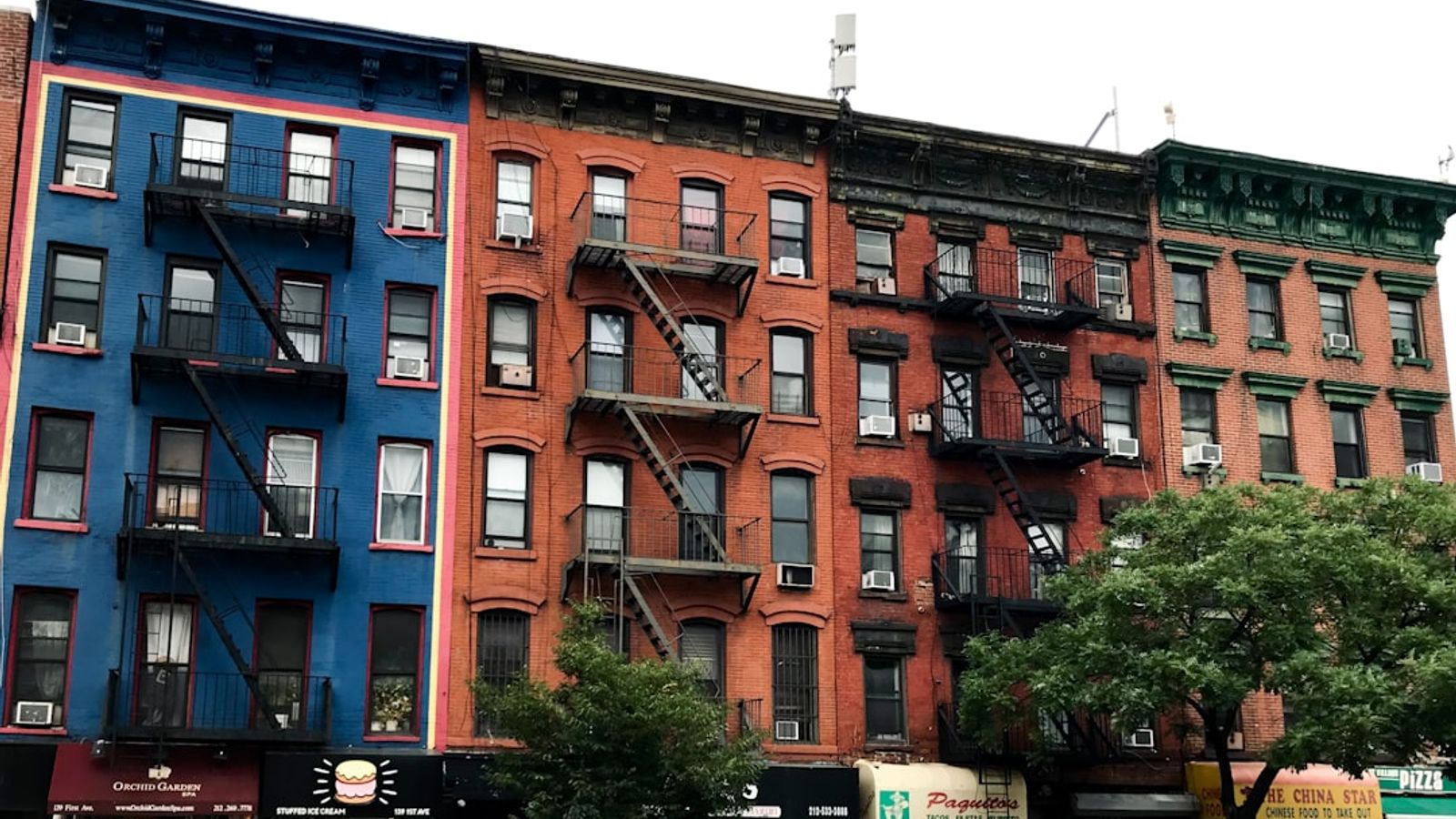
The Borough That New York Built on the Mainland
The Bronx is the only one of New York’s five boroughs that sits on the North American mainland. That fact alone says something about its character. It was always slightly apart, slightly its own thing.
Jonas Bronck, a Swedish sea captain, settled here in 1639. The land became known simply as “the Bronck’s.” By the late 1800s, the elevated railway transformed it into a working-class paradise — packed with immigrant families from Italy, Ireland, Eastern Europe, and the Caribbean, all crowding into new buildings along the Grand Concourse.
The Grand Concourse itself was built to impress. Modeled loosely on the Champs-Élysées in Paris, it became home to gorgeous Art Deco buildings — ornate lobbies, carved facades, mosaic floors. It was, for a few decades, exactly where you wanted to be in New York.
How the Bronx Was Written Off — and Why That Story Was Never the Full Picture
The 1970s brought a real housing crisis. Highways sliced through old neighborhoods. Middle-class families who could afford to leave did. Some landlords abandoned buildings. Fires swept through empty blocks.
Howard Cosell famously called it on television during the 1977 World Series: “Ladies and gentlemen, the Bronx is burning.” That image stuck. For decades, it was the only image people carried.
But even then, most of the Bronx was still standing, still working, still alive. And within those same years, something extraordinary was being created.
The Night That Changed Everything
On August 11, 1973, eighteen-year-old Clive Campbell — known as DJ Kool Herc — set up his speakers at a back-to-school party in the recreation room of 1520 Sedgwick Avenue.
He isolated the percussive breakdown in records and looped it, again and again, keeping the crowd moving. That night, hip-hop was born.
It didn’t happen in a studio or a music industry boardroom. It happened in a South Bronx community room because the neighborhood needed something to hold onto. Our full piece on the block party that launched hip-hop tells the story in full — but the short version is this: the Bronx didn’t collapse. It created.
The People Who Put It Back Together
The real story of the Bronx’s comeback isn’t political. It’s personal.
Community groups like Banana Kelly — named for a curved block of Kelly Street — organized residents to take over their own abandoned buildings. They fixed roofs. They replaced boilers. They turned vacant lots into gardens.
The Hunts Point neighborhood became a national model for urban food sovereignty. Mott Haven murals transformed crumbling walls into outdoor galleries. Block by block, street by street, the Bronx chose itself.
Enjoying this? Join New York lovers getting stories like this every week. Subscribe free →
Arthur Avenue — The Italy That Manhattan Forgot
While Manhattan’s Little Italy shrank to a handful of tourist-facing blocks, the Bronx’s own Italian neighborhood kept going.
The area around Arthur Avenue in the Belmont neighborhood is still home to Italian butchers, cheese makers, pasta shops, and bakeries that have been running since the 1940s. Go on a weekday and you’ll find local families shopping for dinner, not tourists looking for a photo opportunity.
It’s the real thing. Read more in our guide to the Bronx neighborhood that kept Italian New York alive.
The Bronx That’s Here Right Now
Today, the Grand Concourse is a New York City landmark district, its Art Deco buildings protected and increasingly restored. The New York Botanical Garden draws visitors year-round to 250 acres of forests, gardens, and glass conservatories in the middle of the city.
Pelham Bay Park is three times the size of Central Park. City Island feels like a New England fishing village somehow marooned off the Bronx coast. Wave Hill is a public garden on the Hudson with views most New Yorkers still haven’t seen.
The Bronx didn’t just recover. It transformed — and the people who stayed, the ones who kept going even when everyone said they shouldn’t, they’re a big reason why New York City is still New York City.
Frequently Asked Questions
What is the Bronx best known for in New York City?
The Bronx is known as the birthplace of hip-hop, home to the New York Botanical Garden and the Bronx Zoo, and a vibrant mix of cultures including Puerto Rican, Dominican, Italian, and Albanian communities. The Grand Concourse is celebrated for its exceptional Art Deco architecture.
Is the Bronx worth visiting as a tourist?
Absolutely. The Bronx offers authentic New York experiences that Manhattan can’t match — Arthur Avenue’s Italian food shops, the New York Botanical Garden, City Island’s seafood shacks, Pelham Bay Park, and the hip-hop history sites along Sedgwick Avenue. It’s often quieter, more affordable, and more local than other boroughs.
What neighborhood should I visit first in the Bronx?
Start with the Grand Concourse for Art Deco architecture, then walk to Arthur Avenue in the Belmont neighborhood for lunch at one of the old Italian delis or bakeries. If you’re interested in music history, 1520 Sedgwick Avenue — where hip-hop was born in 1973 — is a short drive away in the South Bronx.
When is the best time to visit the Bronx?
Late spring through early fall is ideal. The New York Botanical Garden peaks in May and June. Arthur Avenue is lively year-round but particularly festive around the Italian feast days in September. Summer brings open-air markets, festivals, and outdoor concerts throughout the borough.
You Might Also Enjoy
- The Block Party That Gave the World Hip-Hop
- The Bronx Neighborhood That Kept Italian New York Alive
- The New York Botanical Garden: A Complete Visitor’s Guide
Plan Your New York Trip
Ready to see the Bronx for yourself? Our 3-day New York City itinerary includes time to explore all five boroughs — with practical tips on getting around, where to eat, and how to make the most of every day.
Join 1,100+ New York Lovers
Every weekday morning, get New York’s hidden gems, neighbourhood stories, food origins, and city secrets — straight to your inbox.
Subscribe free — enter your email:
📲 Know someone who’d love this? Share on WhatsApp →
Love more? Join 65,000 Ireland lovers → · Join 43,000 Scotland lovers →
Free forever · Unsubscribe anytime

Subscribe Free