
Somewhere in the world right now, someone is trying to recreate a New York pizza slice. They have the cheese. They have the sauce. They have followed the recipe exactly. And still — it does not taste right. There is a reason for that, and it goes a lot deeper than technique.
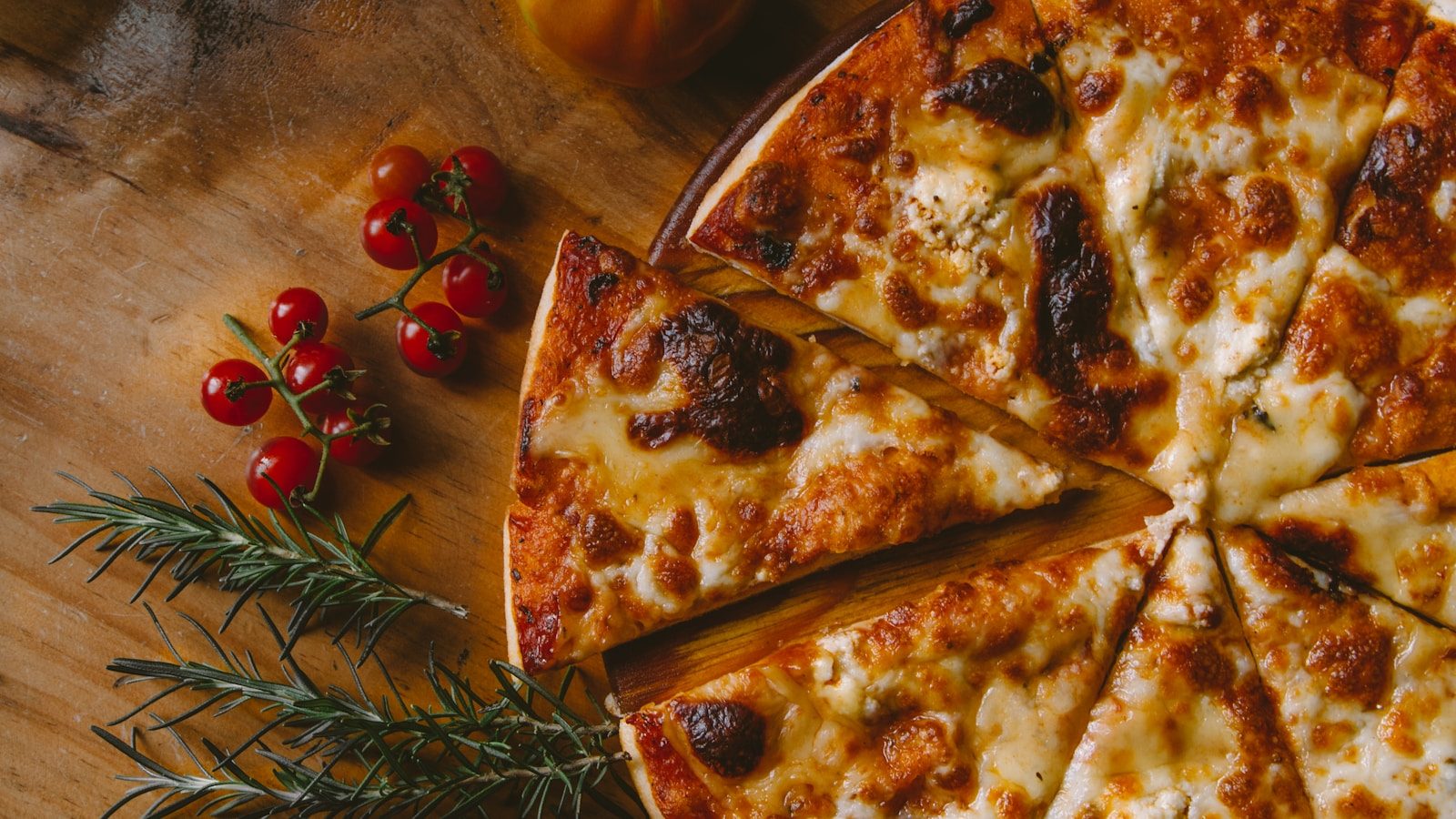
A Neapolitan Recipe That New York Made Its Own
The story starts in 1905, on a narrow block in Little Italy. A young Neapolitan immigrant named Gennaro Lombardi opened what many consider America’s first pizzeria on Spring Street. He was not trying to change the world. He was selling lunch to other Italian immigrants — men who missed the flat, tomato-topped bread they grew up eating back home.
But something happened when the recipe moved to New York. The city — quite literally — changed the taste.
What’s Actually in the Water
New York’s tap water comes from the Catskill and Delaware watersheds in the Hudson Valley, more than 125 miles north of the city. It is soft water — low in calcium and magnesium — and it changes the structure of dough in ways that are hard to replicate.
The minerals in water affect how gluten develops. Hard water makes dough tough and dense. New York’s soft water keeps the gluten elastic and pliable, giving the crust that signature thin-yet-chewy texture that no one has ever quite managed to copy.
Pizza makers have tried relocating to other cities and shipping in New York water. The results are never quite the same. Flour, yeast, heat — all of it interacts differently depending on what you mix it with.
The Oven Nobody Else Used
Early New York pizzerias did not use gas or wood. They used coal. Coal-fired ovens reached temperatures between 800 and 900 degrees Fahrenheit — far hotter than anything most home cooks can replicate.
That intense, dry heat blistered the crust in seconds, creating the dark, slightly charred spots that New York pizza fans call “the char.” It is not a mistake. It is the point. The flavor lives in those burnt edges.
Lombardi’s still uses a coal-fired oven today. The technique fell out of use in most of the country as gas became cheaper. In New York, it became a tradition worth protecting.
Enjoying this? Join New York lovers getting stories like this every week. Subscribe free →
The Fold That Became a Religion
At some point — nobody recorded exactly when — New Yorkers started folding their pizza in half lengthwise before eating it. One theory says it started because the slices were too large and too floppy to eat flat. Another says it was a way to eat while walking, because New Yorkers have never had time to sit down.
Either way, the fold became an identity marker. You can spot a native New Yorker at a pizza counter by how they fold. Not over the tip. Lengthwise, so the crust forms a kind of edible taco. Tourists who do not know this get cheese on their shirt. It happens every time.
The Slice That Fed a City
The genius move was not the recipe. It was selling by the slice. In the early twentieth century, a full pizza was too expensive for a quick lunch. Selling individual slices — cheap, fast, no plates required — turned pizza into New York street food.
By the 1940s and 50s, there were pizzerias in every borough. By the 1970s, the corner slice shop was as essential to New York life as the subway or the neighborhood bodega.
The price held steady at roughly a dollar for decades, tracking almost perfectly with the subway fare. Economists noticed and wrote about it. Nobody planned it. It just happened. New Yorkers called it the Pizza Principle.
Why Every New Yorker Knows the Wrong Ray’s
At some point, a pizzeria called Ray’s became famous in Greenwich Village. Then other places started calling themselves Ray’s. Then Famous Ray’s. Then Original Ray’s. Then Famous Original Ray’s. By the 1990s, there were dozens of Ray’s pizzerias across New York with no connection to each other whatsoever.
No chain. No franchise. No shared recipe. Just a name that had come to mean “good pizza” — and was therefore worth borrowing. Trying to track down the original Ray’s became a New York rite of passage. Nobody has ever fully succeeded.
The neighborhood where many of those early pizzerias set up — and where some still operate — tells its own extraordinary story. Little Italy has shrunk to just three blocks, but the pizza culture it launched now feeds millions of people every single day.
A New York pizza slice is not complicated. Dough, sauce, cheese, heat. The same four things you would find in a Naples kitchen in 1880. But the water ran through Catskill granite. The oven was coal-black and blazing. The city was always moving, always hungry.
That combination — geography, immigration, and a million people who needed lunch fast — created something that has never quite been replicated anywhere else on earth. One bite and you understand what all the fuss is about.
You Might Also Enjoy
- Why New Yorkers Have Been Fighting Over Hot Dog Carts for 150 Years
- The Classic New York Drink That Contains No Eggs, No Cream, and No Agreement on Who Invented It
- The Immigrant Pastry That Fed New York for Over a Century — and Still Does
Plan Your New York Trip
Ready to taste it for yourself? Our New York Food Guide covers the essential eats by borough — including where to find the best pizza in the city. And if you are still working out where to base yourself, the best neighbourhoods for tourists is the place to start.
Join New York Lovers
Every weekday morning, get New York’s hidden gems, neighbourhood stories, food origins, and city secrets — straight to your inbox.
Subscribe free — enter your email:
Love more? Join 65,000 Ireland lovers → · Join 43,000 Scotland lovers →
Free forever · Unsubscribe anytime
