
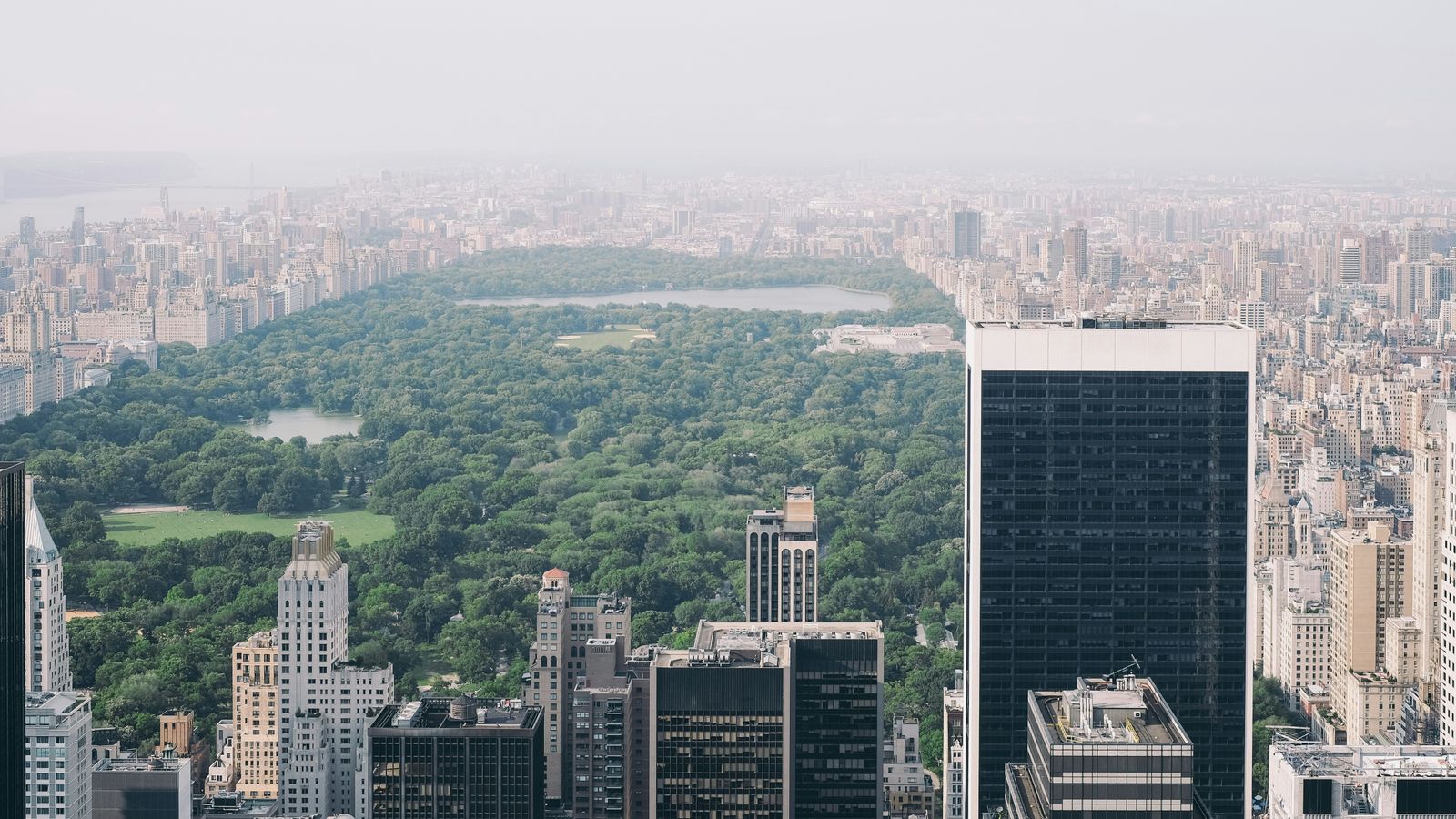
When you walk through Central Park today, you’re moving through one of the most celebrated public spaces in the world. What most people don’t know is that they’re also walking through what used to be someone’s home. Before there was a park, there was a village. And the story of why it disappeared is one New York has only recently begun to properly tell.
A Neighborhood in Northern Manhattan
Seneca Village began in 1825, when a shoeman named Andrew Williams purchased three lots of farmland in what was then the far northern edge of Manhattan. Neighbors soon followed — Black families, and later Irish and German immigrants — buying land in a city that rarely offered it to them fairly.
By the 1850s, the village had grown to roughly 260 residents. There were three churches, two schools, and a cemetery. People owned their homes. Children attended class. Congregations gathered every Sunday.
It was, by any reasonable measure, a real community. In a city that would one day pride itself on diversity, Seneca Village was already living it — a full generation before Central Park existed.
Why Owning This Land Meant Everything
In 1821, New York State rewrote its voting laws. Black men who wanted to vote now needed to own at least $250 in property — roughly $8,000 in today’s money. No such requirement applied to white men.
It was a law designed to exclude. But Seneca Village made it possible to push back.
Residents who owned land here were among the small number of Black New Yorkers legally eligible to vote. Their property deeds weren’t just ownership records. They were documentation of civic standing in a city that constantly worked to deny it.
The village wasn’t just a place to live. For the people who built it, Seneca Village was proof — that they belonged here, that they had rights, and that they intended to stay.
Enjoying this? Join New York lovers getting stories like this every week. Subscribe free →
What the Newspapers Called Them
When New York announced plans to build Central Park in 1853, residents of Seneca Village fought the takeover in court. Letters were written. Protests were filed. People who had lived on legally purchased land for decades argued — correctly — that they were being forced out.
The city didn’t listen. Newspapers described the residents as “squatters” and “shantytown dwellers,” despite the legal property deeds that proved otherwise.
By 1857, the last residents had been displaced through eminent domain. Many relocated to poorer neighborhoods — no land, no vote, no foothold in the city they had helped build. Their community was erased. Central Park broke ground the following year.
What Archaeologists Found Beneath the Ground
In 2011, a team from Columbia University and the Central Park Conservancy carefully excavated the Seneca Village site. What they uncovered contradicted every “squatter” label that had persisted for over 150 years.
They found leather shoes, medicine bottles, ceramic plates, bone-handled toothbrushes. Small things — but telling ones. These were the possessions of people with stability, comfort, and pride in their homes.
The layout of the site matched the plan of proper houses, not improvised shelters. Animal bones pointed to a functioning kitchen. The artifacts said exactly what the residents had always insisted: this was a real home, and these were real New Yorkers.
The Marker That Stands Today
A small interpretive marker stands today near 85th Street and Central Park West — close to where Seneca Village once stood. Most joggers and cyclists pass it without slowing down.
But awareness is growing. Scholars, community historians, and descendants of residents have pushed the story into classrooms, exhibitions, and annual commemorations. The New-York Historical Society has featured the village prominently. Walking tours now stop at the site.
Central Park holds many layers of history. There’s the hidden garden that Shakespeare himself would have recognized, tucked quietly inside the park’s western paths. There’s the corner near the Dakota that draws mourners from a hundred countries. And there is Seneca Village — the neighborhood that existed before the park, before the carriageways, before any of it.
The next time you spread a blanket on the Great Lawn or walk a familiar path through the trees, think about what’s beneath you. It’s not just soil and grass. It’s the layered record of everything this city has been — and everything it has sometimes done.
Seneca Village is a reminder that New York’s history doesn’t always announce itself. Sometimes it waits quietly, beneath the walking paths, until enough people stop and look. And New York always rewards those who do.
You Might Also Enjoy
- The Hidden Garden Inside Central Park That Shakespeare Would Have Recognized
- Why This Quiet Corner of Central Park Draws Mourners From 100 Countries Every Day
- The Best Neighbourhoods in NYC for Tourists: Your Essential Planning Guide
Plan Your New York Trip
Ready to explore the real New York — the streets, stories, and hidden histories that make this city unlike anywhere else? Our essential neighbourhood guide covers everything you need to plan an unforgettable visit.
Join New York Lovers
Every weekday morning, get New York’s hidden gems, neighbourhood stories, food origins, and city secrets — straight to your inbox.
Subscribe free — enter your email:
Love more? Join 65,000 Ireland lovers → · Join 43,000 Scotland lovers →
Free forever · · Unsubscribe anytime
