
Walk into any New York deli and ask which bagel shop is the best.
Then duck.
Because nothing — not pizza, not pastrami, not the right way to make a cheesecake — divides New Yorkers quite like the bagel. And that argument started long before you were born.
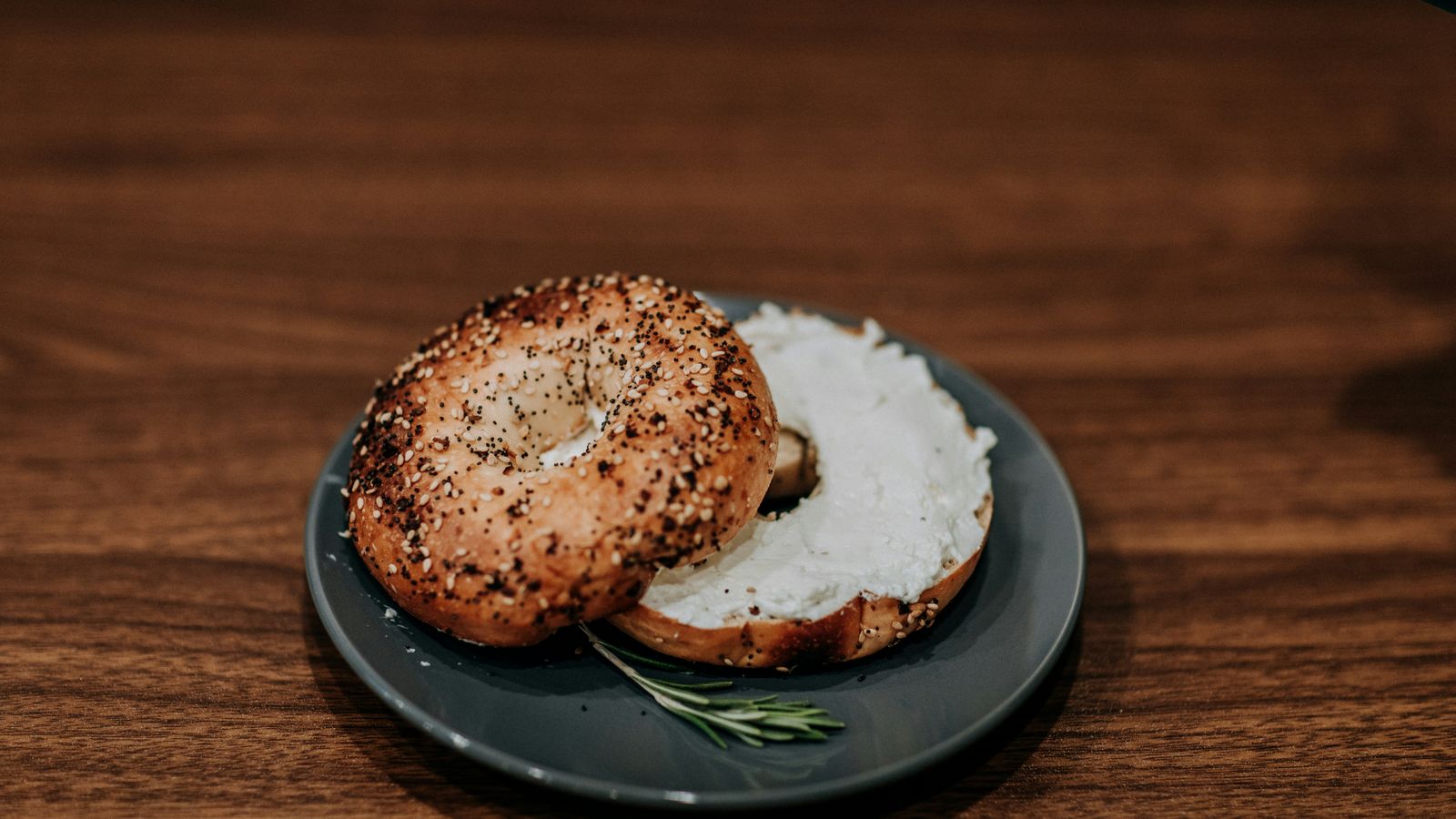
A Roll That Crossed an Ocean
The bagel didn’t start in New York. It arrived here.
In the late 1800s, waves of Eastern European Jewish immigrants landed at Ellis Island and settled into the tenements of the Lower East Side. They brought their food traditions with them — including a hand-rolled, boiled-then-baked bread ring that had been a staple in Polish and Galician Jewish communities for centuries.
For decades, bagels stayed close to where they landed. They were sold from pushcarts and bakeries along Orchard Street and Delancey Street — breakfast before dawn, eaten by garment workers and market vendors, passed between neighbours, shared on the stoop.
They were not a trend. They were survival food.
The Union That Controlled Everything
By the 1930s, New York’s bagel trade had become a tightly organised operation.
The International Beigel Bakers’ Union Local 338 — known as the Bagel Bakers Local — controlled who could make bagels in the city. Membership was effectively hereditary. You got in because your father was in, or your uncle. The craft was passed from person to person, generation to generation.
The union had strict rules. Bagels had to be hand-rolled. A skilled baker could roll 800 bagels an hour. They worked overnight so the rolls would be fresh by morning. And they guarded their methods carefully — not out of arrogance, but because what they made was genuinely difficult to replicate.
For a while, the city’s entire bagel supply ran through their hands.
The Machine That Changed Everything
Then came the machine.
In the early 1960s, inventor Dan Thompson developed a device that could automate much of the bagel-making process. The invention horrified the union. By the mid-1970s, companies like Lender’s had used automated production to send bagels to supermarkets across America. Frozen bagels, wrapped in plastic, appeared in grocery stores from Maine to California.
Suddenly a thing that had required years of training could be made by anyone, anywhere.
Purists called it the death of the real bagel. Lender’s called it breakfast for everyone. Both were right, depending on who you asked.
Enjoying this? Join New York lovers getting stories like this every week. Subscribe free →
Water, Boiling, and the Argument That Never Ends
Ask a New Yorker why their bagels taste different from every other city’s, and they’ll probably say one word: water.
New York’s tap water — low in minerals, soft and clean — is often credited as the secret ingredient. Scientists largely disagree. Lab tests comparing bagels made with New York water versus filtered water have found little measurable difference. But the story persists, because some myths are more delicious than facts.
What does matter is the process. Traditional New York bagels are boiled before baking — briefly submerged in hot water, which sets the crust and creates that distinctive chewy bite. Some shops now use steam injection ovens, which is faster and cheaper. Purists notice the difference immediately.
The other variable is flour. High-gluten flour gives New York bagels their signature density. A plain water bagel — no toppings, just the roll — should be chewy enough that you feel like you earned it.
The Shops Still Doing It Right
The Lower East Side still holds some of the city’s oldest bagel traditions.
Russ & Daughters
On Houston Street since 1914, started as a herring counter and became one of the most beloved appetizing shops in the world. The cream cheese is non-negotiable. So is the smoked fish.
Kossar’s Bagels & Bialys
The oldest bialy bakery in America, on Grand Street on the Lower East Side. Still operating in the tradition of the Eastern European bakers who came before them. Their bialys are just as good as their bagels — possibly better.
Absolute Bagels
On Broadway near Columbia — hand-rolled, dense, and consistently named by regular New Yorkers as among the best in the city. The Sunday morning line moves faster than you’d expect. The staff have done this before.
Ess-a-Bagel
In Midtown, with devoted followers who will defend its bagels with complete conviction. Asking a New Yorker to choose between these shops is like asking them to choose a borough — they’ll answer immediately, confidently, and differently from the person next to them.
A City That Eats Its History
The bagel’s story fits a larger pattern in New York. This is a city that turned immigrant survival into civic identity — and eventually into a global food culture.
The same arc plays out with pizza. As the story of New York pizza shows, it started in the same neighbourhood, with the same people, at roughly the same moment in history. And the Arthur Avenue tradition in the Bronx tells the same story through Italian food. The Lower East Side was not just a place people passed through on their way to becoming American. It was where American food was invented.
The bagel war is still happening. It will never be officially settled. And that’s exactly how New Yorkers like it.
What makes a New York bagel different from bagels in other cities?
New York bagels are traditionally hand-rolled, boiled before baking, and made with high-gluten flour — giving them a denser, chewier texture than machine-made versions. The boiling step is the key difference: it sets the crust and gives the bagel its signature bite that you can’t replicate in a standard oven.
Where can I find the best bagels in New York City?
Top spots include Absolute Bagels on the Upper West Side, Russ & Daughters and Kossar’s on the Lower East Side, and Ess-a-Bagel in Midtown. Every New Yorker has a different answer — and arguing about it is part of the experience.
When is the best time to visit a New York bagel shop?
Early morning is ideal — most traditional bakeries bake overnight so their bagels are freshest at dawn. Popular shops have long lines on Sunday mornings. Arriving before 9 a.m. gets you the freshest rolls and the shortest wait.
Does New York water really make bagels taste better?
It’s the city’s most repeated food myth. New York’s tap water is soft and low in minerals, and many bakers swear by it. Scientific tests have found little measurable difference — but the debate, like everything involving New York bagels, refuses to be settled.
You Might Also Enjoy
- The Street Where New York Pizza Was Born — and the Immigrant Who Changed American Food Forever
- The Bronx Street That Kept Old Italy Alive While Manhattan’s Little Italy Faded Away
- Why Chinatown Refuses to Disappear Even as Manhattan Changes Around It
Plan Your New York Trip
Ready to taste the city in person? Our guide to 3 days in New York City covers the best neighborhoods for food history — from the Lower East Side to Midtown — with everything a first-time visitor needs to know.
The next time someone hands you a New York bagel — warm, dense, with cream cheese spread right to the edges — know that you’re holding about 130 years of history.
And if someone nearby tells you they know which shop makes the best one in the city, smile. Because they’re not wrong. They’re just not the only one who’s right.
Join 1,100+ New York Lovers
Every weekday morning, get New York’s hidden gems, neighbourhood stories, food origins, and city secrets — straight to your inbox.
Subscribe free — enter your email:
📲 Know someone who’d love this? Share on WhatsApp →
Love more? Join 65,000 Ireland lovers → · Join 43,000 Scotland lovers →
Free forever · Unsubscribe anytime

Subscribe Free