
There’s a garden tucked into the hillside of Central Park — no grand entrance, no sign you’d notice from the path — where every single plant was chosen because Shakespeare mentioned it. The violets. The rosemary. The eglantine. It’s been there since 1916, and most people who walk right past it have no idea what they’re standing beside.
A Garden with a Literary Mission
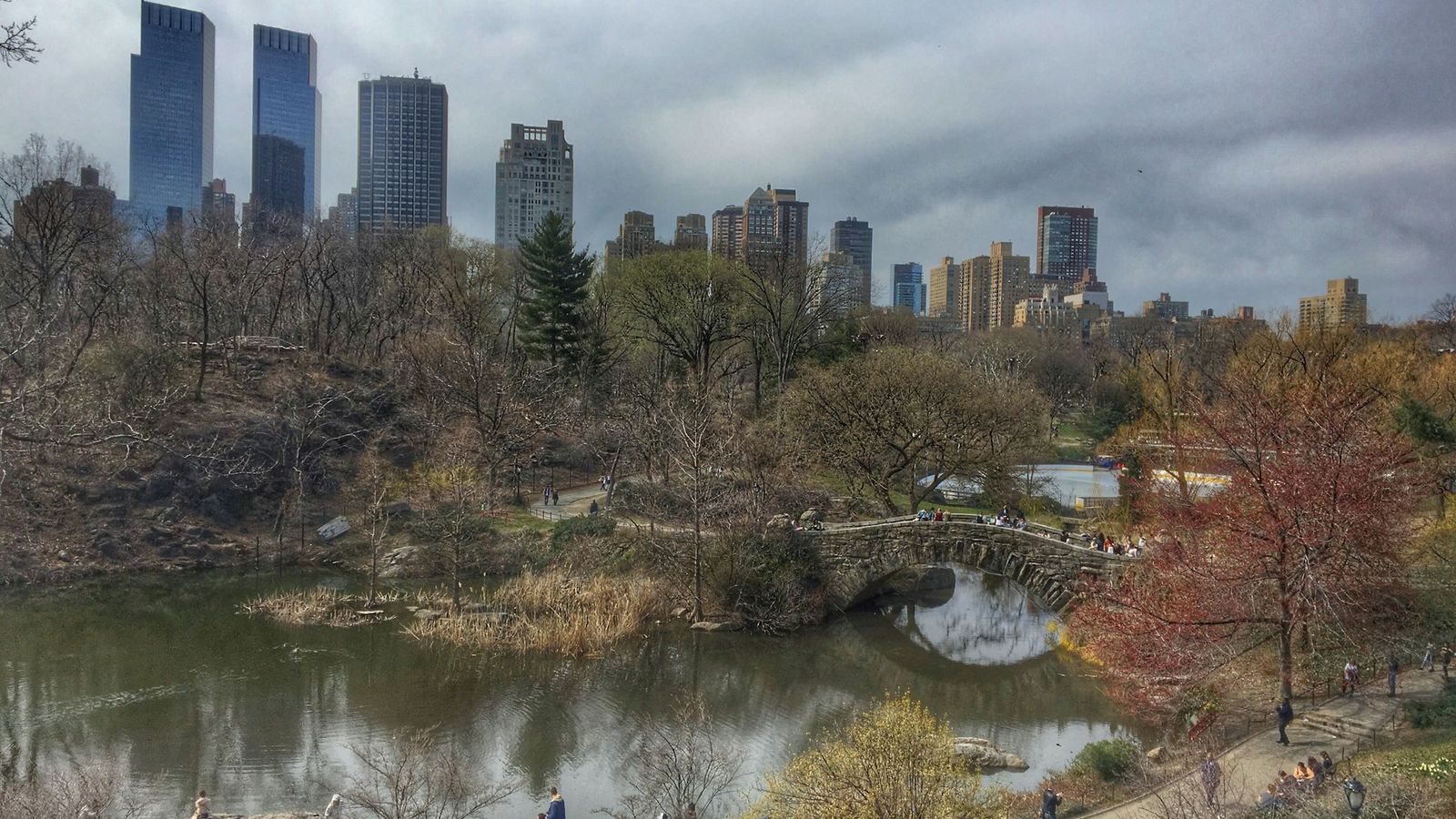
The Shakespeare Garden sits on the west side of Central Park, just north of the Delacorte Theater. It covers roughly four acres of gently sloping terrain, with winding stone paths and weathered wooden benches that look out toward Belvedere Castle.
What makes it remarkable isn’t its beauty — though it is beautiful — but its intention. Every plant growing here appears somewhere in Shakespeare’s plays or poems. The gardeners at the Central Park Conservancy have spent over a century making it botanically faithful to 16th-century England.
Walk through in May and you’ll find columbine — the same flower Ophelia hands out in Hamlet. In midsummer, the English hawthorn blooms, the tree that Bottom and his companions gathered beneath in A Midsummer Night’s Dream.
Plants You’ve Read About in School
The garden holds more than 80 plant species tied directly to Shakespeare’s texts. Some are obvious: roses appear throughout the sonnets, and several varieties grow here in full bloom through June and July. Others are more surprising.
Wormwood grows in a shaded corner — the bitter herb Juliet’s nurse uses as a metaphor in Romeo and Juliet. Mandrake, the plant with the legendary shrieking root, can be found uphill near the garden’s quieter edges. And yes, there’s henbane — the poison poured into Hamlet’s father’s ear.
The garden doesn’t announce these connections dramatically. There are small labels, but no theatrical explanations. It rewards the visitor who knows the plays — and surprises the one who doesn’t.
How the Garden Came to Be
The Shakespeare Garden was dedicated in 1916 to mark the 300th anniversary of Shakespeare’s death. It was part of a broader civic movement to make Central Park more than just a green escape — a place of cultural meaning and learning woven into the landscape of the city.
Early caretakers sourced seeds and cuttings from Stratford-upon-Avon, Shakespeare’s hometown in England. Some of the earliest plantings were grown from mulberry cuttings traced back to trees Shakespeare supposedly cultivated at his home, New Place. Those original trees are long gone — but the intention has remained.
Enjoying this? Join New York lovers getting stories like this every week. Subscribe free →
What Most Visitors Walk Right Past
Near the center of the garden stands a mounted bronze plaque inscribed with a line from The Merchant of Venice: “How sweet the moonlight sleeps upon this bank.” That plaque gives you the real purpose of the place — it’s meant for sitting, for reading, for letting the city recede.
On weekday mornings, you’ll find readers here with worn paperbacks and coffee. In September and October, when the light drops low through the tree canopy and the last herbs of the season still bloom, it may be the most quietly beautiful corner in all of Manhattan.
It’s also, remarkably, almost always uncrowded. Even on weekends when the rest of Central Park fills up, most visitors never find their way up the stone path to the Shakespeare Garden. It’s the kind of place New Yorkers keep as their own.
When to Go and What to Expect
The garden is open year-round, completely free of charge. Peak bloom runs from April through October. Spring brings wildflowers and early herbs; summer is lush with climbing roses and leafy vines; autumn has a melancholy beauty that would have pleased Shakespeare himself.
The garden sits between West 79th and West 80th Streets on the west side of the park. The easiest approach is from the path near Belvedere Castle — follow signs toward the Delacorte Theater and look for the stone path that curves uphill to the left.
If you’re planning a broader day in the park, pair it with a visit to the hidden corners of Central Park that most visitors never find — the Shakespeare Garden fits naturally into a slower, more contemplative afternoon in the park.
Frequently Asked Questions
What is the Shakespeare Garden in Central Park?
The Shakespeare Garden is a four-acre garden on the west side of Central Park where every plant species appears in one of Shakespeare’s plays or poems. It was established in 1916 to mark the 300th anniversary of Shakespeare’s death and is maintained by the Central Park Conservancy.
Where exactly is the Shakespeare Garden in Central Park?
It sits on the hillside just above the Delacorte Theater and below Belvedere Castle, on the west side of the park near West 79th Street. Enter from the path near Belvedere Castle and follow the stone walkway uphill to the left.
What is the best time to visit the Shakespeare Garden?
Late April through June is peak bloom, when wildflowers, roses, and spring herbs are at their most vibrant. September and October offer a quieter visit with warm autumn light and several late-season blooms still in place.
Is the Shakespeare Garden free to visit?
Yes, completely free. No tickets or reservations required. It’s open year-round during Central Park’s regular hours and is rarely crowded — even on busy weekend afternoons when the rest of the park fills up.
There’s something quietly defiant about a garden like this — a place where centuries-old language takes the form of living things. Somewhere between the sonnets and the soil, between the theater and the hillside, New York becomes a little bit Elizabethan. And if you sit on one of those weathered benches long enough, you might just start to feel it too.
You Might Also Enjoy
- The Hidden Corners of Central Park Most New York Visitors Never Find
- Free Things to Do in NYC: The Complete Guide
- Best Time to Visit New York City: A Month-by-Month Guide
Plan Your New York Trip
Whether you’re planning a full Central Park afternoon or a wider New York City visit, our month-by-month New York guide helps you time your trip for the best weather, the least crowds, and the most memorable experiences the city has to offer.
Join 1,100+ New York Lovers
Every weekday morning, get New York’s hidden gems, neighbourhood stories, food origins, and city secrets — straight to your inbox.
Subscribe free — enter your email:
📲 Know someone who’d love this? Share on WhatsApp →
Love more? Join 65,000 Ireland lovers → · Join 43,000 Scotland lovers →
Free forever · Unsubscribe anytime

Subscribe Free