
New York City Hidden Gems: 18 Underrated Places Every Visitor Should Know
New York City hidden gems are everywhere, once you know where to look. Most visitors spend their whole trip on the same short list: Times Square, the High Line, Central Park. We love those too, but they only scratch the surface of one of the most layered cities on earth. Beyond the crowds there is a tiled archway in Grand Central where a whisper crosses the room, a ghost subway station under City Hall, an 18th-century mansion where Washington planned a campaign, and corners of Brooklyn, Queens, the Bronx and Staten Island that feel like small towns of their own. Here are 18 places locals love and most visitors miss, borough by borough, each with a link so you can plan your visit.
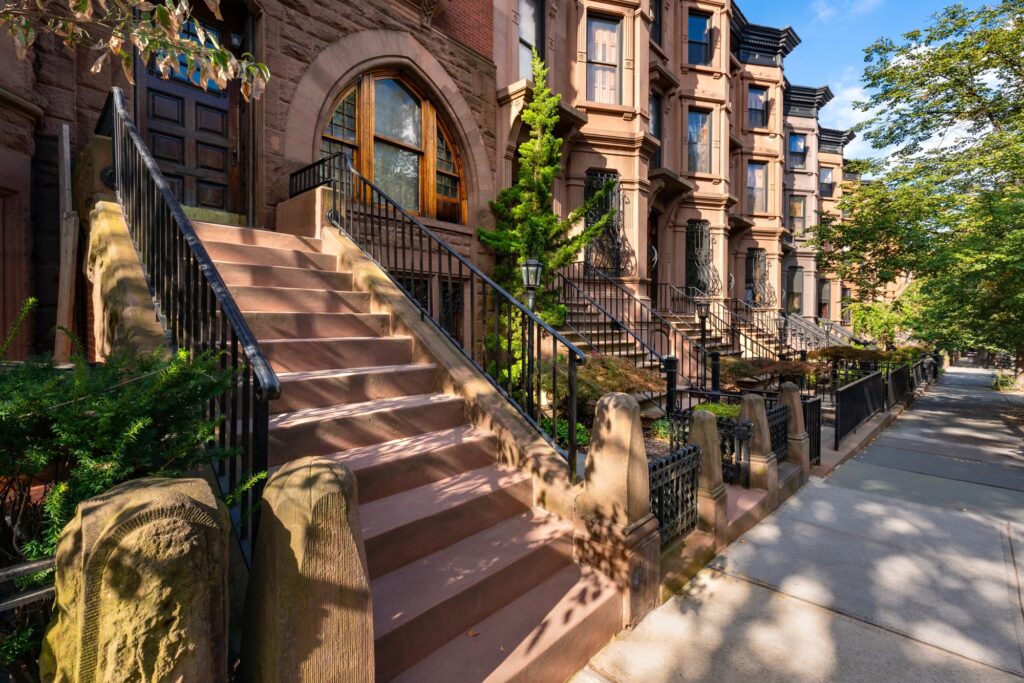
Manhattan Hidden Gems You’ll Want to Revisit
Manhattan gets the most attention, but even here most visitors see only a sliver of the borough. Step away from Midtown’s main avenues and you’ll find a different city.
The Whispering Gallery at Grand Central Terminal
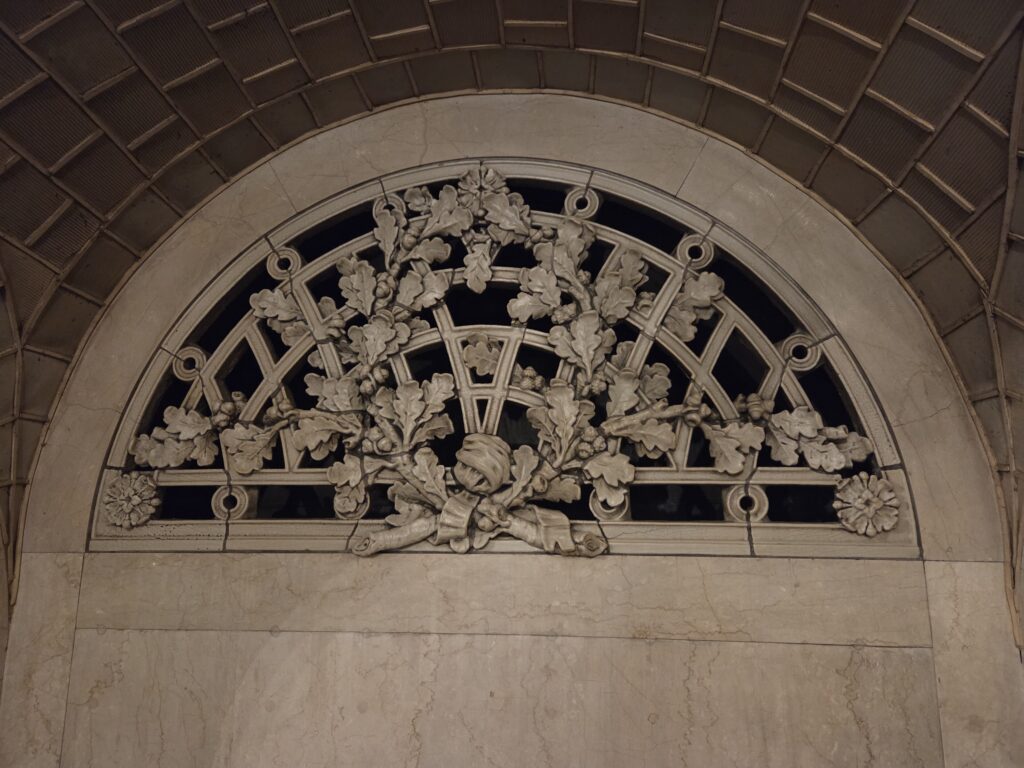
Most visitors walk through Grand Central Terminal and look up at the starry ceiling. Far fewer find the Whispering Gallery, the low tiled archway on the Dining Concourse level just outside the Grand Central Oyster Bar. Stand in one corner facing the wall, have a friend stand in the corner diagonally opposite, and whisper: the curved tile vault carries your voice over the arch so it arrives as clearly as if you were side by side. There are no big signs pointing you to it, which is half the fun. Our guide to Grand Central’s secrets has more to look for while you’re there.
The Little Red Lighthouse Under the George Washington Bridge
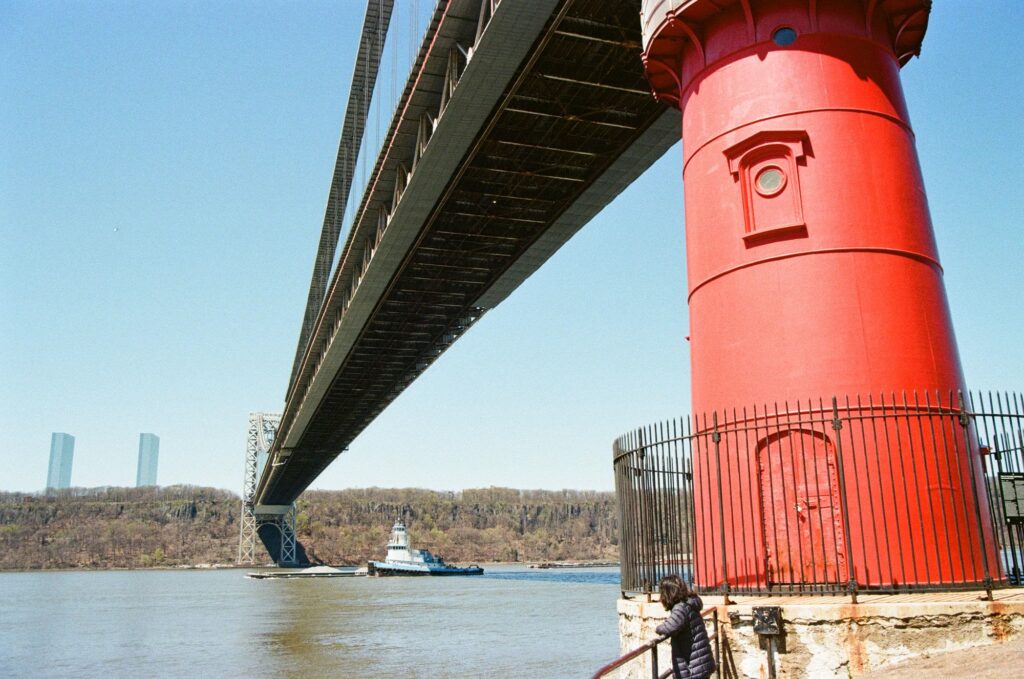
At the northern end of Manhattan, beneath the steel span of the George Washington Bridge, stands one of the most unexpected sights in the city: a small red lighthouse. Built in 1880, it was moved here in 1921 to help guide boats along the Hudson River. Today it sits in Fort Washington Park, tiny next to the enormous bridge above it. The walk down from the park entrance is quiet and green, nothing like Midtown, and the views across to the New Jersey Palisades are lovely. It costs nothing to visit the grounds. For more quiet outdoor corners, see our guide to Manhattan’s most surprisingly peaceful spots.
The Secret Passage at City Hall Station
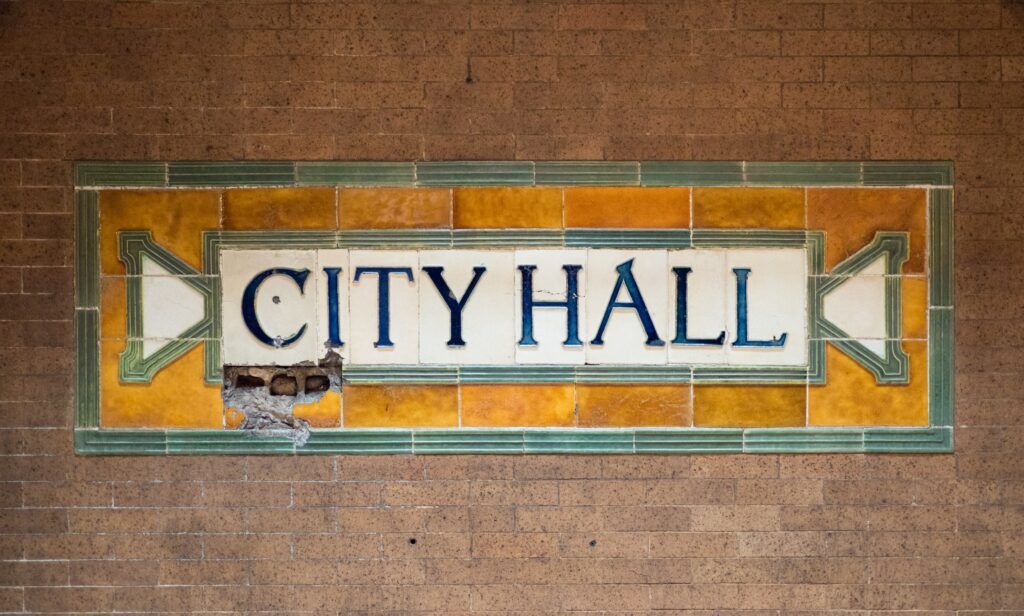
Closed to regular passengers since 1945, the original City Hall subway station is a piece of Gilded Age design hidden beneath Lower Manhattan, with vaulted tile ceilings, brass chandeliers and skylights. The New York Transit Museum runs tours of the station, open only to museum members (checked October 2026); spaces are limited, so look well ahead. You can also glimpse the old platform from the 6 train: stay on past Brooklyn Bridge–City Hall and the train loops through the old station before heading back uptown. Our City Hall station guide tells the full story.
The Morris-Jumel Mansion in Washington Heights
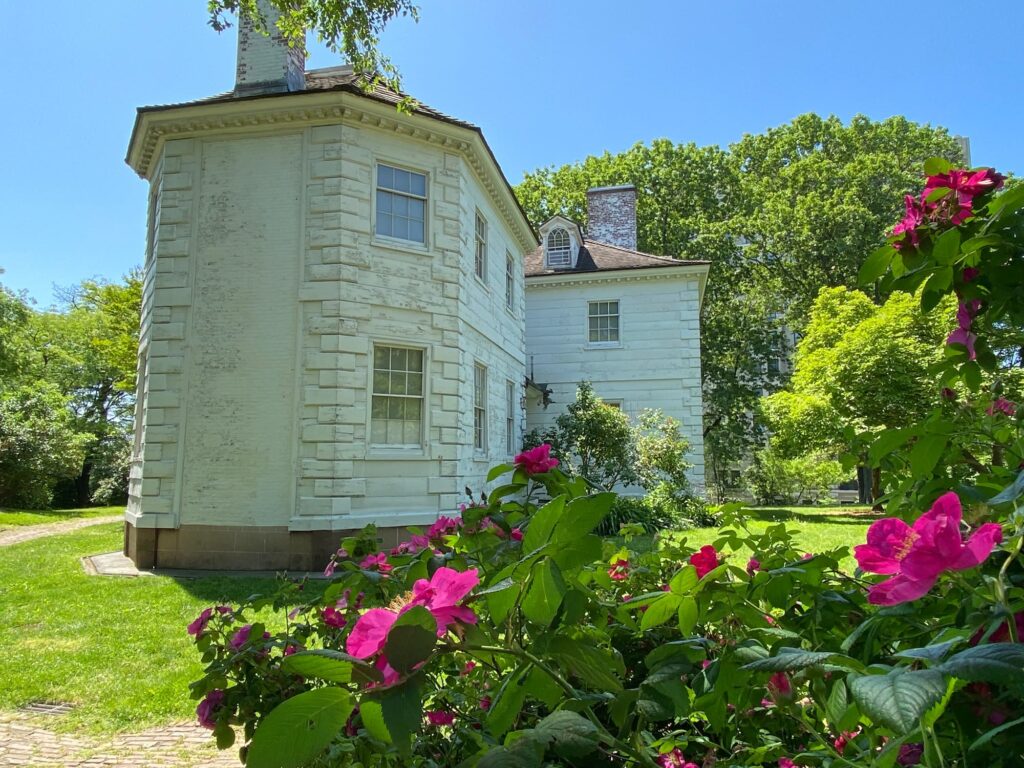
Up on a hill in Washington Heights stands the Morris-Jumel Mansion, Manhattan’s oldest surviving house. Built in 1765 as a summer home, it served as George Washington’s headquarters in the fall of 1776. Today it is a house museum with period rooms and a quiet garden, and the little street of wooden row houses beside it, Sylvan Terrace, looks like it belongs in another century. See the museum’s website for current hours and tickets.
Brooklyn Hidden Gems Worth the Journey Across the Bridge
Brooklyn has become famous enough that some of its neighborhoods now feel busy, but the borough is enormous and plenty of quiet corners remain. For deeper dives, our Brooklyn neighborhoods that deserve more visitors guide covers the borough neighborhood by neighborhood.
Green-Wood Cemetery, Brooklyn
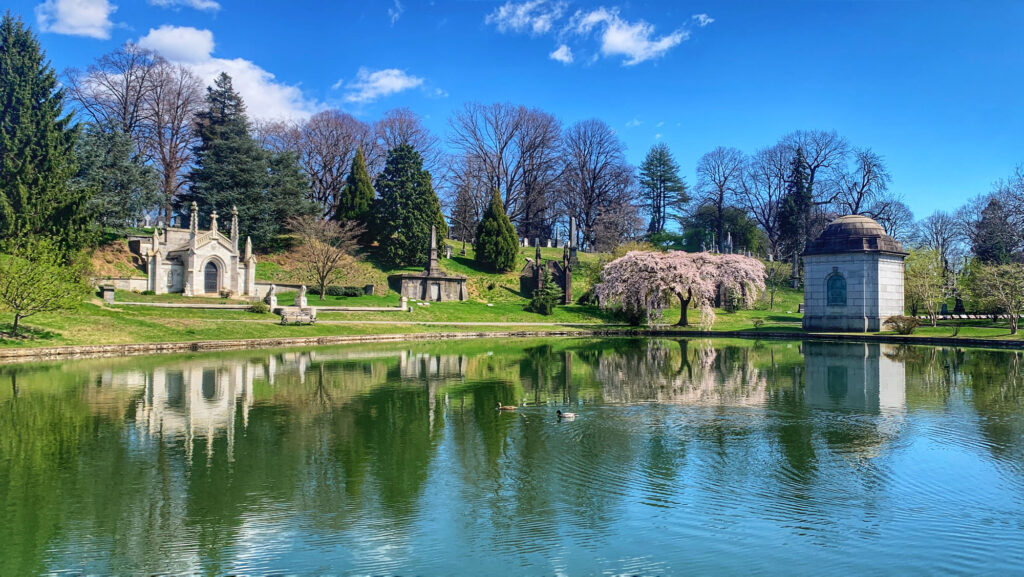
Green-Wood Cemetery may sound like an odd recommendation, but it is one of the most beautiful open spaces in New York City. Founded in 1838, its 478 acres of rolling hills, Gothic gates and glacial ponds drew so many 19th-century visitors that it helped inspire the creation of Central Park. Leonard Bernstein, Jean-Michel Basquiat and Boss Tweed are buried here, and monk parakeets nest in the spires of the main gate. The views of Manhattan from the high ground are wonderful, and you’ll often have them almost to yourself.
Sahadi’s on Atlantic Avenue
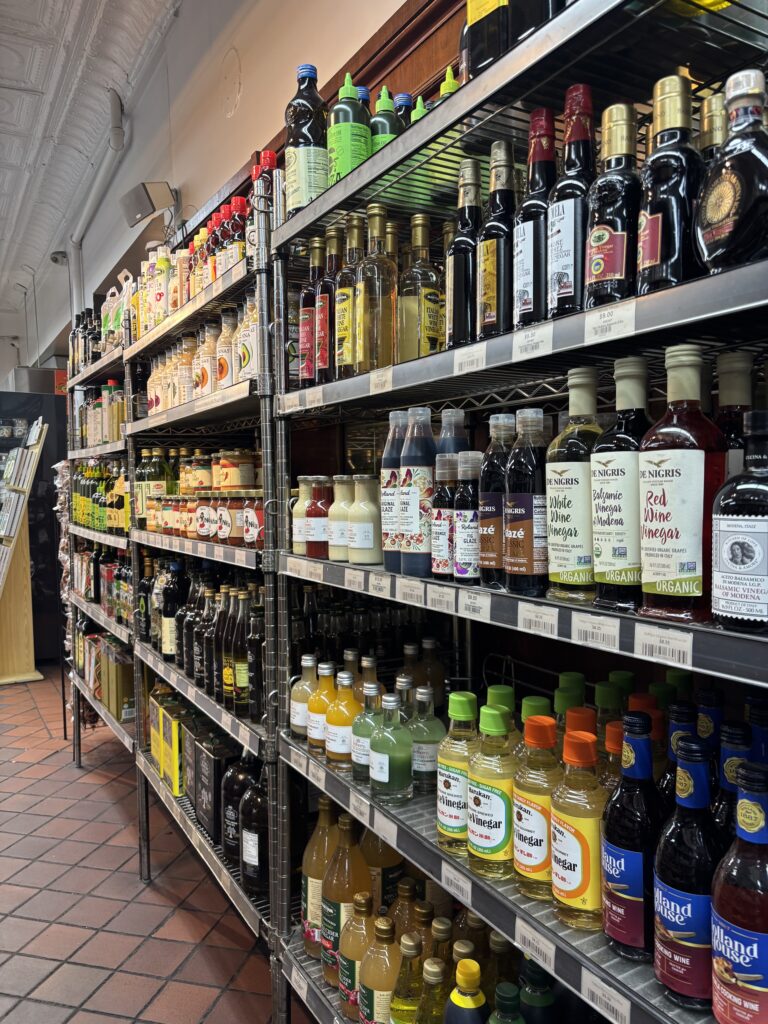
Atlantic Avenue in Brooklyn has been a center of Middle Eastern food for generations. Sahadi’s was founded by a Lebanese family in Manhattan’s “Little Syria” in 1895 and moved to Atlantic Avenue in 1948. The same family still runs this specialty grocer, with olives, spices, nuts, dried fruit, cheeses and prepared foods. Even if you’re not buying, the smell of fresh-roasted nuts and coffee is worth the trip. The stretch of Atlantic Avenue around Court Street is one of Brooklyn’s most underrated food streets, and far calmer than Smorgasburg or the area around the Brooklyn Bridge.
The Shore Road Promenade in Bay Ridge
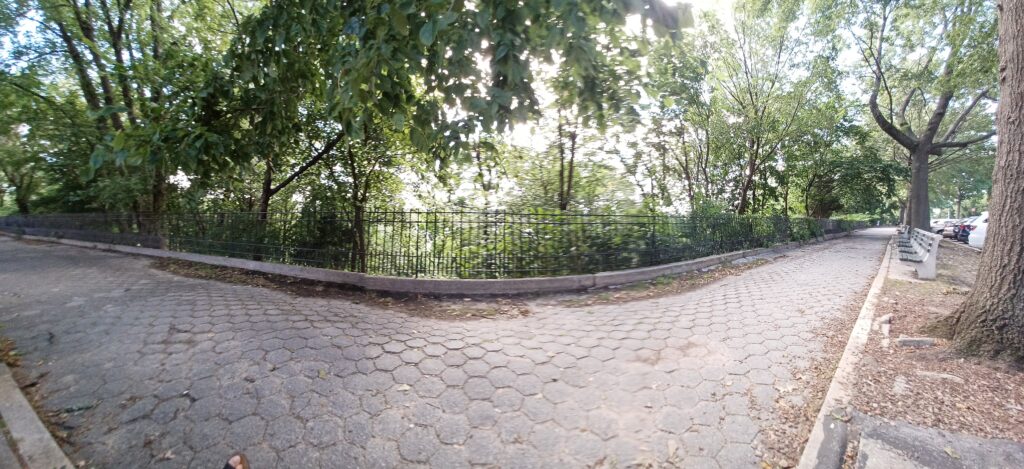
Bay Ridge sits at Brooklyn’s southwestern tip, looking out at the Verrazzano-Narrows Bridge and the Lower New York Bay. Shore Road Park and the waterfront promenade below it run along the water for several miles, and few tourists ever find them. Local families walk dogs here, people fish from the rocks, and the views of the Verrazzano are some of the best in the city. Take the R train to Bay Ridge–95th Street. The neighborhood around it is quiet and residential, and gives a real sense of how most Brooklynites live.
Queens Hidden Gems: The Most Underrated Borough
Queens is one of the most diverse places in the United States, and it is also the borough visitors are least likely to explore, which means it rewards those who do. Our guide to things to do in Queens gives a full borough overview.
The Louis Armstrong House in Corona, Queens
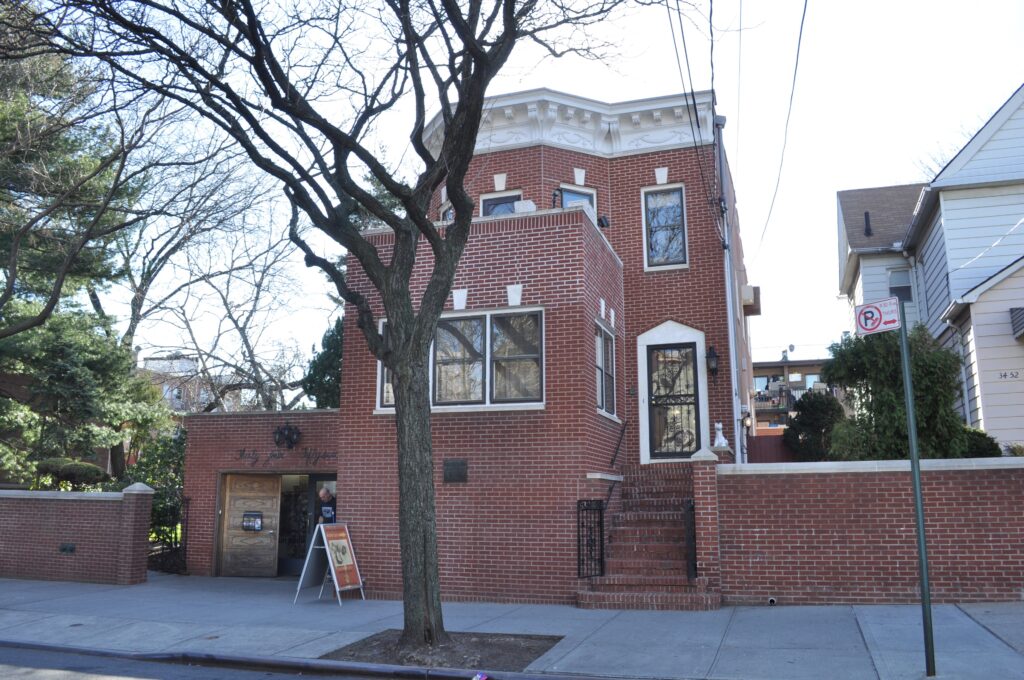
Louis Armstrong lived in this modest red-brick house in Corona, Queens from 1943 until his death in 1971. He and his wife Lucille stayed long after they could have afforded something grander. Today the Louis Armstrong House Museum is a National Historic Landmark, and guided tours take you through the rooms much as the couple kept them, including his den and Lucille’s mirrored bathroom with gold fixtures. It is one of the most personal and moving museums in New York City. Our Louis Armstrong House guide has tips for your visit.
The Noguchi Museum in Long Island City
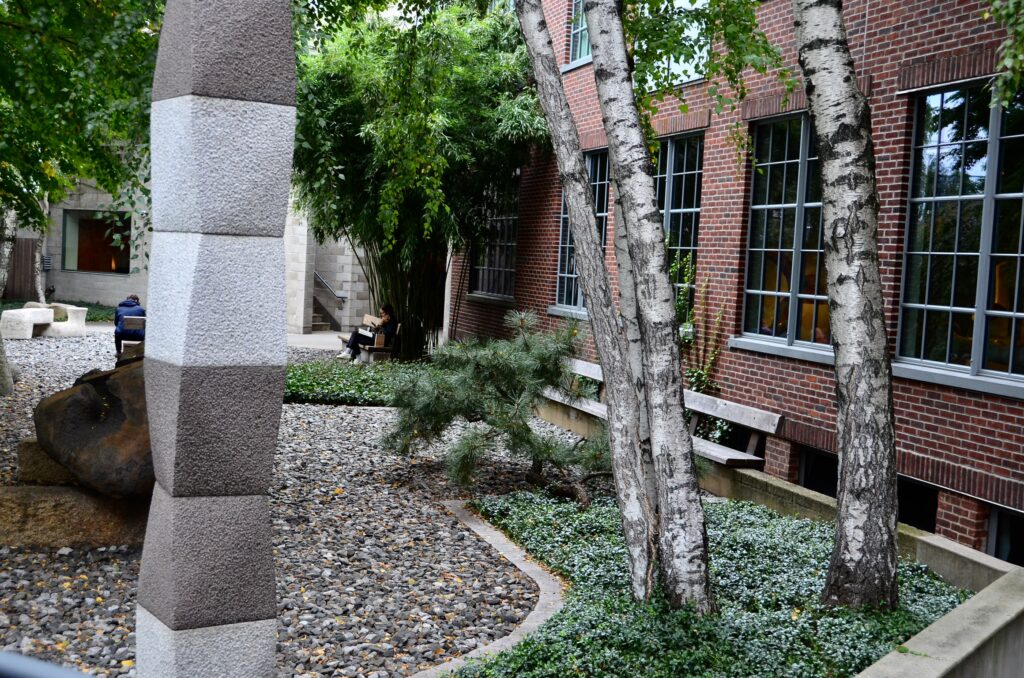
The Japanese-American sculptor Isamu Noguchi designed the Noguchi Museum himself, in a former industrial building just across the East River from Manhattan. The sculpture garden at its heart is one of the most peaceful places in the city: stone works sit among birch trees, bamboo and gravel in an open-air courtyard that feels a world away from Times Square’s noise. Long Island City is a short subway ride from Midtown; check the museum’s website for current hours and admission.
Flushing Meadows-Corona Park’s Quieter Corners
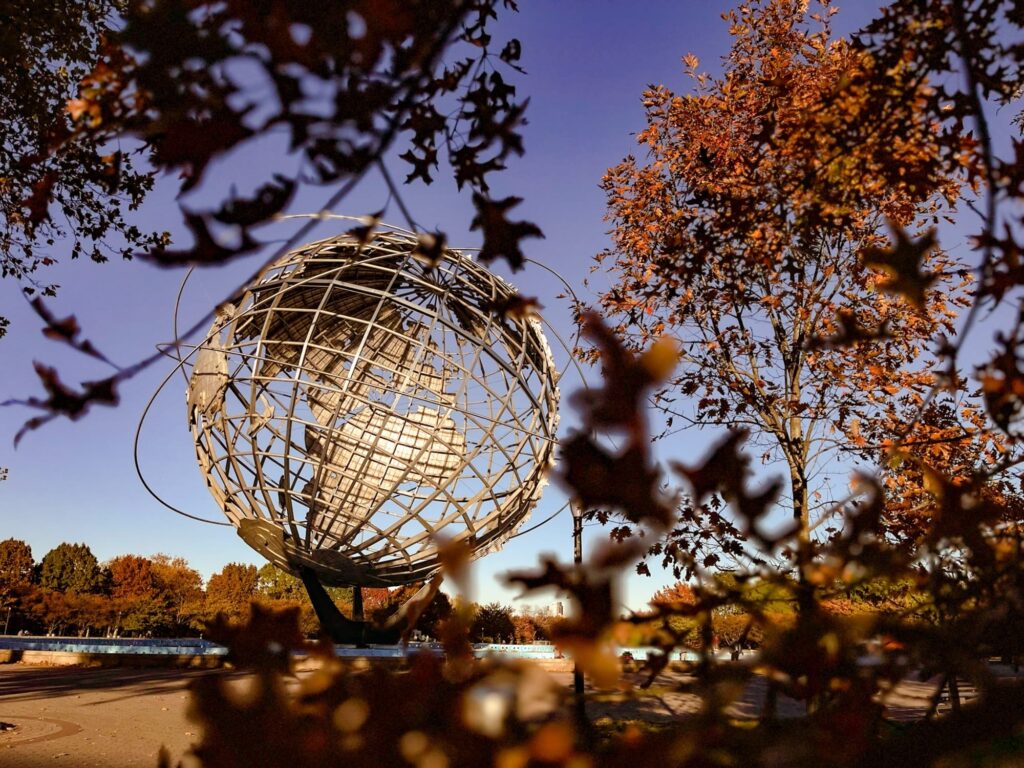
Most visitors to Flushing Meadows-Corona Park come for the Unisphere. Far fewer step inside the Queens Museum next door to see the Panorama of the City of New York, a huge scale model of all five boroughs built for the 1964 World’s Fair. Then walk the park’s quieter edges down toward Meadow Lake. The park feels spacious and relaxed in a way Central Park rarely does on a busy Saturday. Take the 7 train to Mets–Willets Point, and see our Flushing guide for where to eat afterward.
The Bronx: New York City’s Most Overlooked Borough
The Bronx Botanical Garden’s Forest
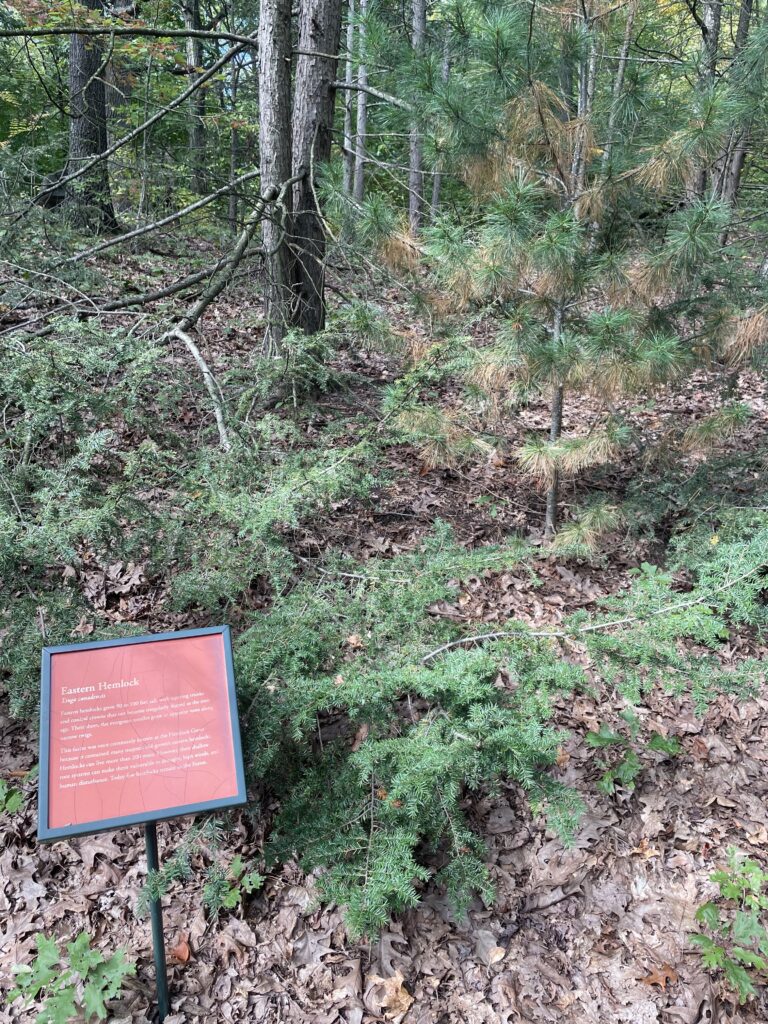
The New York Botanical Garden in the Bronx holds the Thain Family Forest, about 50 acres of the original woodland that once covered New York City and has never been logged. Some of its trees are centuries old. Walk the forest trails on a weekday and you can go long stretches without seeing another person. The rest of the garden is wonderful too (the Haupt Conservatory alone justifies the trip), but the forest is the part most visitors miss. Take Metro-North from Grand Central to the Botanical Garden stop, and read our New York Botanical Garden guide before you go.
Arthur Avenue: The Real Little Italy
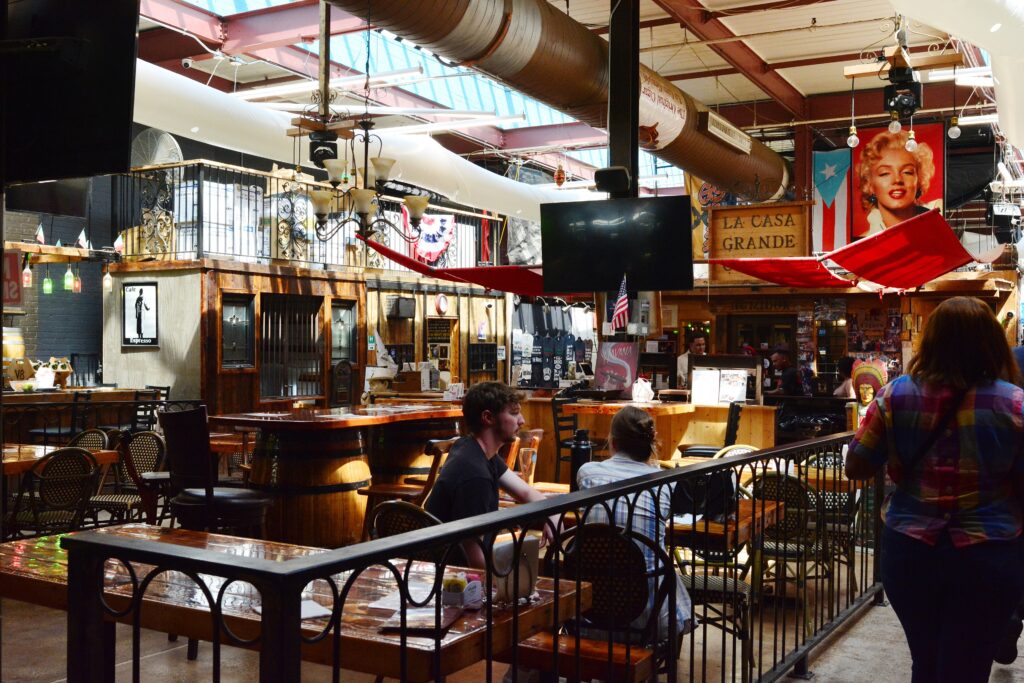
Manhattan’s Little Italy has shrunk to a few tourist-facing blocks, but Arthur Avenue in the Belmont neighborhood of the Bronx is still the living, working Italian-American neighborhood it has been for over a century. The Arthur Avenue Retail Market is an indoor market with butchers, pasta makers, a bar and a cigar roller. Restaurants on the street serve generous plates at fair prices, and the bakeries and delis have been run by the same families for decades. For the full story, see our guide to Belmont: the Bronx’s real Little Italy.
Wave Hill in Riverdale
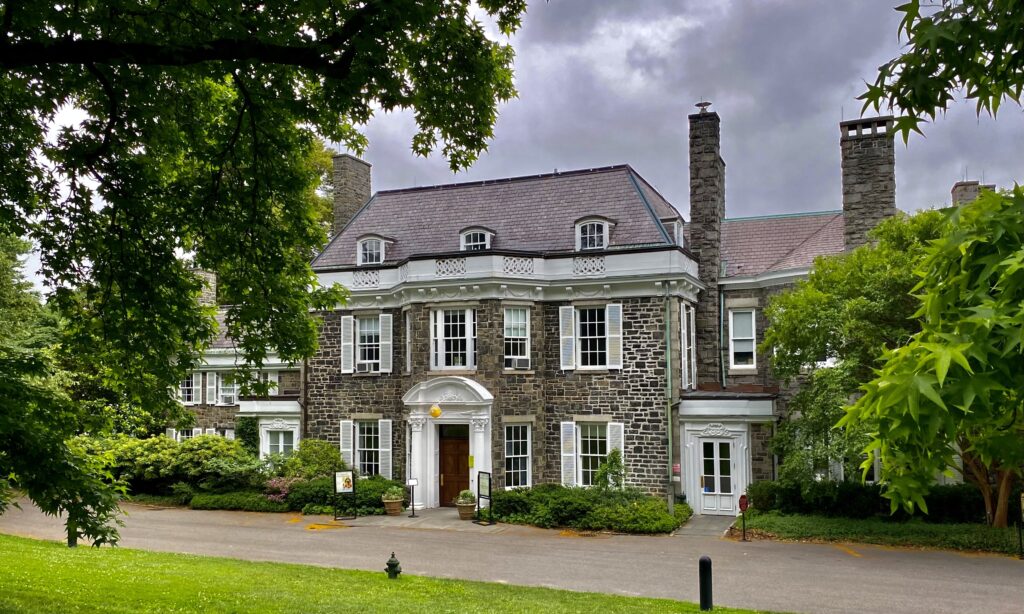
High on a ridge in the Riverdale section of the Bronx, Wave Hill is a public garden and cultural center with 28 acres of gardens, lawns and woodland looking straight across the Hudson River to the Palisades. The stone Wave Hill House hosts exhibitions, the flower gardens and glasshouses change with the seasons, and a chair on the lawn facing the river is one of the best seats in New York. See Wave Hill’s website for current hours, admission and directions.
City Island in the Bronx
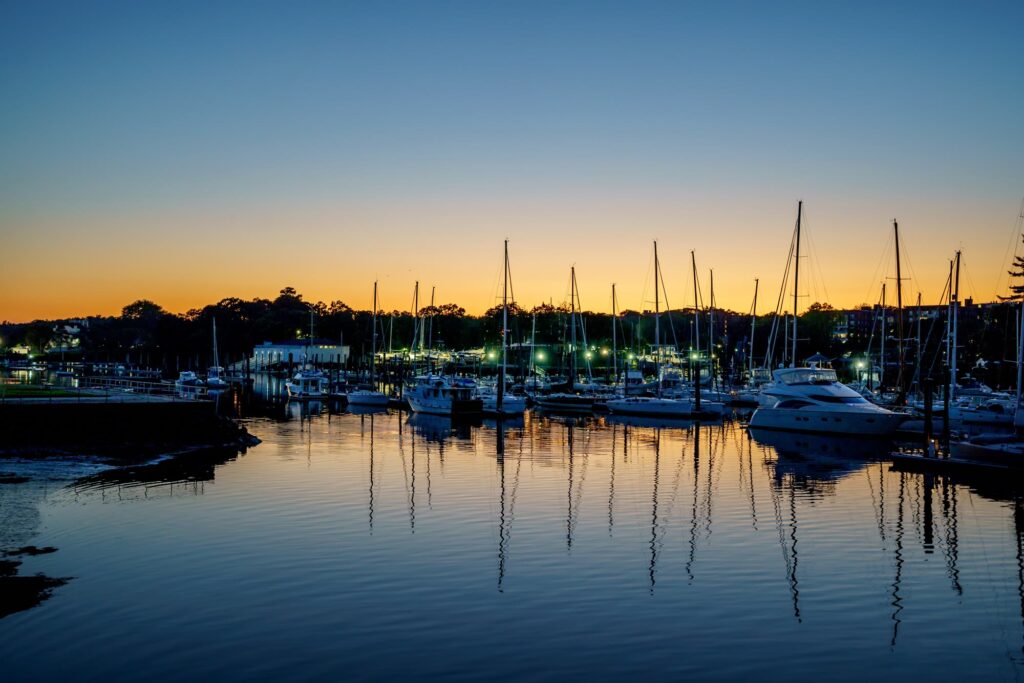
Few visitors believe there is a New England-style fishing village inside New York City until they cross the bridge to City Island. About a mile and a half long, it has marinas, sailmakers, old clapboard houses, seafood restaurants along City Island Avenue and the small City Island Nautical Museum. Take the 6 train to Pelham Bay Park and the Bx29 bus over the bridge, then walk the main street from end to end.
Manhattan’s Quieter Neighborhoods Worth Exploring
Inwood: Manhattan’s Northern Tip
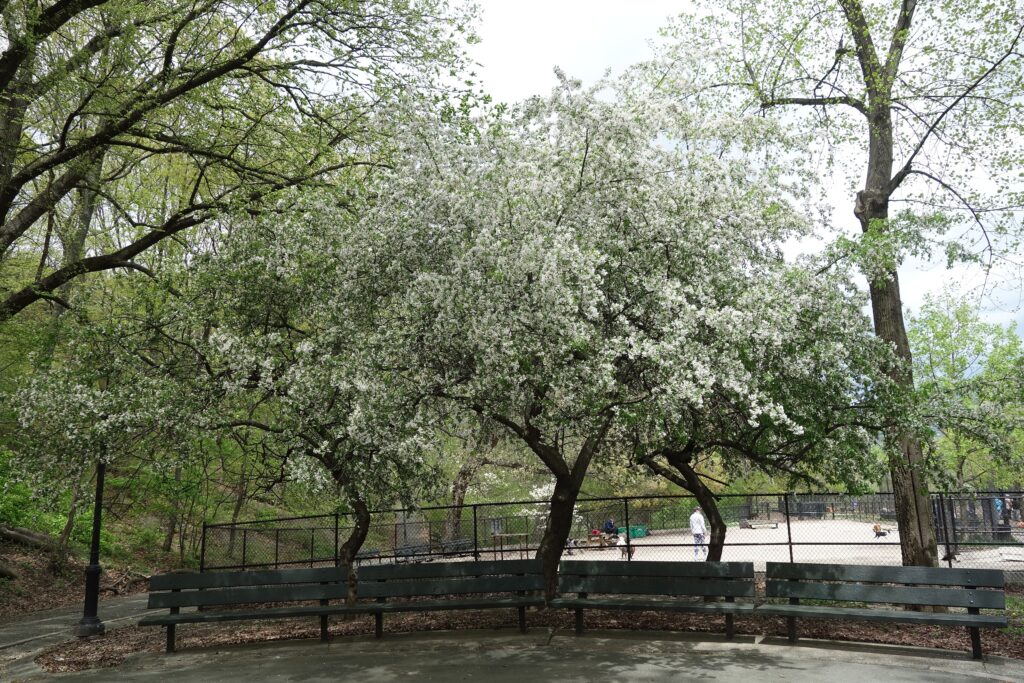
Inwood sits at the very top of Manhattan and feels nothing like the island’s famous middle. Inwood Hill Park holds rocky ridges, a salt marsh and the last natural forest on Manhattan island; our Inwood Hill Park guide maps out the best walks. Nearby, the Dyckman Farmhouse Museum, built around 1784, is Manhattan’s last surviving Dutch Colonial farmhouse, and most New Yorkers have never been inside. The neighborhood around it is residential and full of local bakeries and cafes. Take the A train to the end of the line at Inwood–207th Street.
The Elevated Acre at 55 Water Street
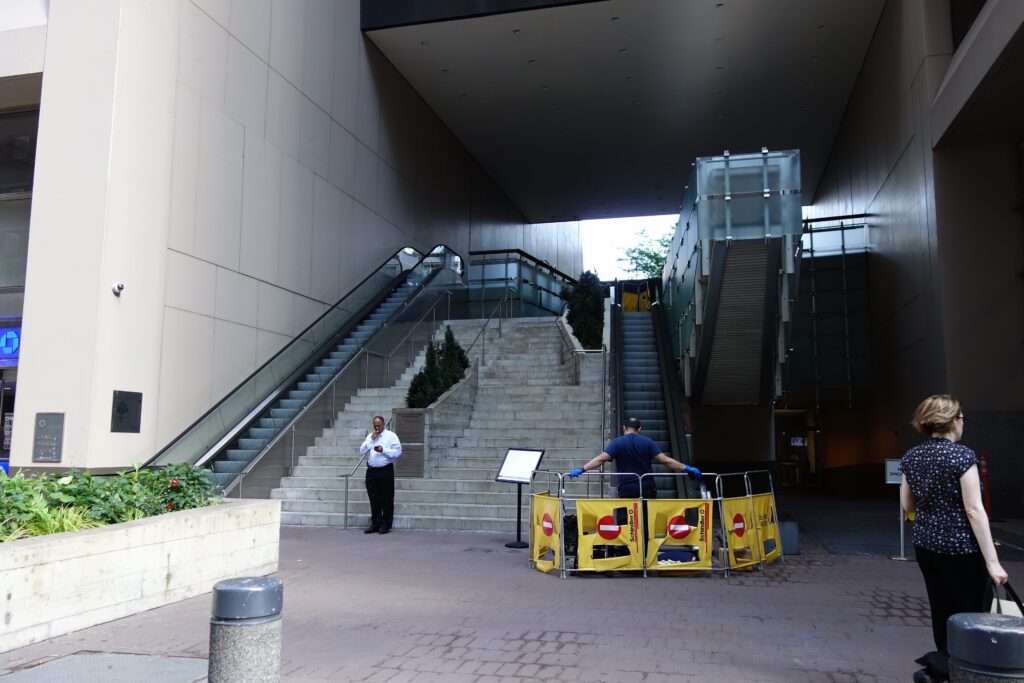
Tucked above the street in the Financial District, the Elevated Acre is a free public park on a raised plaza at 55 Water Street, with lawns, plantings and wide views of the East River and the Brooklyn waterfront. To reach it, look for the broad stairs and escalators rising from the plaza on Water Street; most people walk straight past them. Bring lunch, sit on the tiered wooden steps and watch the boats on the East River. On a clear day the view rivals a paid observation deck.
Four Freedoms Park on Roosevelt Island
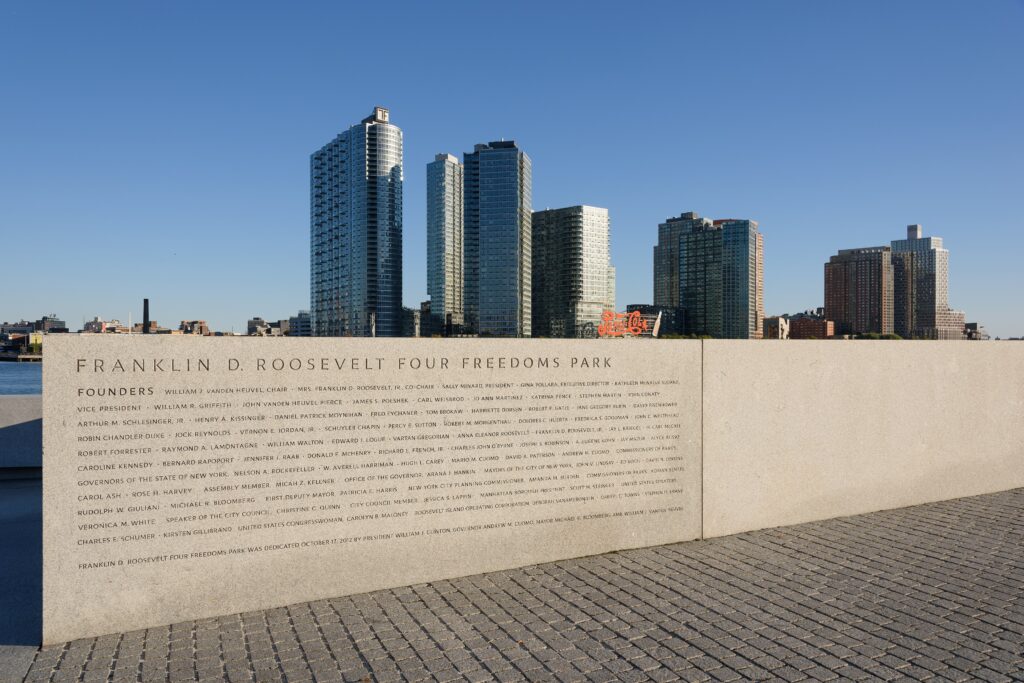
At the southern tip of Roosevelt Island, Franklin D. Roosevelt Four Freedoms Park is a granite memorial designed by the architect Louis Kahn and dedicated in 2012. Rows of linden trees lead to an open granite “room” at the point of the island, with the United Nations and Midtown across the water on one side and Queens on the other. Half the fun is getting there on the Roosevelt Island Tramway from 59th Street. Our Roosevelt Island guide covers the rest of the island, and the park’s website lists current opening hours.
Staten Island: Worth the Ferry Ride
Snug Harbor and the Chinese Scholar’s Garden
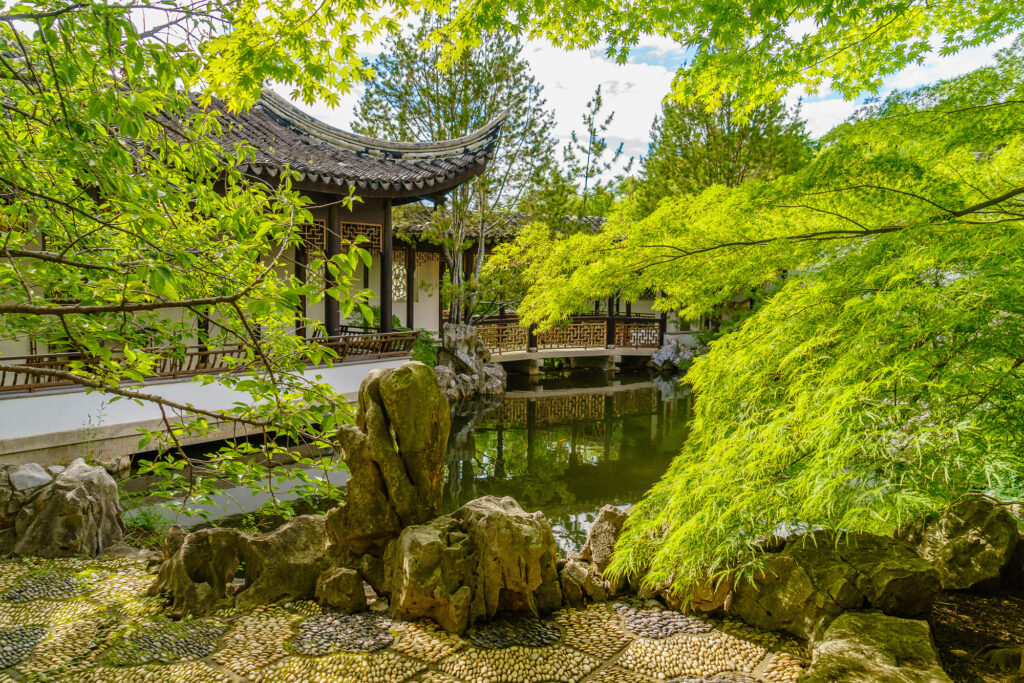
A short bus ride from the free Staten Island Ferry, Snug Harbor Cultural Center & Botanical Garden is an 83-acre campus of 19th-century buildings, gardens, wetlands and meadows on Staten Island’s North Shore. The highlight for us is the New York Chinese Scholar’s Garden, with pavilions, rock formations and koi ponds built in the style of a classical Chinese garden. Take the S40 bus from the St. George ferry terminal, and see our Staten Island guide to make a day of it.
FAQ: New York City Hidden Gems
What are the best New York City hidden gems for first-time visitors?
For first-timers we suggest the Whispering Gallery at Grand Central Terminal, Green-Wood Cemetery in Brooklyn, and the Elevated Acre at 55 Water Street in Lower Manhattan. They are easy to reach by public transit and give a completely different experience from the standard tourist trail.
How do I find the hidden gems in New York City without a guided tour?
Explore one neighborhood at a time rather than rushing between famous landmarks. Take the subway into a borough like Queens or the Bronx, pick a neighborhood, and walk. Many of the places in this guide, like Arthur Avenue, City Island and the Shore Road Promenade, need no ticket at all. A good borough map and this guide are all you need.
Are there hidden gems in New York City that are completely free?
Yes. The Whispering Gallery at Grand Central, the Little Red Lighthouse grounds, the Elevated Acre at 55 Water Street, the Shore Road Promenade in Bay Ridge and Four Freedoms Park are free to visit, and Green-Wood Cemetery is free to walk. Museums such as the Dyckman Farmhouse, the Morris-Jumel Mansion and the Louis Armstrong House charge admission; check their websites for current prices.
Which New York City borough has the most hidden gems?
Queens may offer the most for visitors willing to explore. The Louis Armstrong House, the Noguchi Museum, the food in Flushing and the quieter corners of Flushing Meadows-Corona Park rarely feature on standard itineraries, and the borough’s mix of cultures means you’ll find a different city every few stops on the 7 train.
When is the best time to visit New York City’s hidden gems?
Spring (April to May) and fall (September to October) are best, when the weather is pleasant and crowds are thinner than in peak summer. Outdoor spots like Green-Wood Cemetery, the Shore Road Promenade, Wave Hill and the New York Botanical Garden forest are especially beautiful when the leaves turn. Weekday mornings are the quietest time for indoor places like the Noguchi Museum and the Louis Armstrong House.
Join 1,000+ New York Lovers
Every week, get New York’s lesser-known corners, local secrets, and travel inspiration.
Subscribe free — enter your email:
Free forever · One email per week · Unsubscribe anytime
